Hang Stick: Bringing Authenticity to Chalkboard Designs
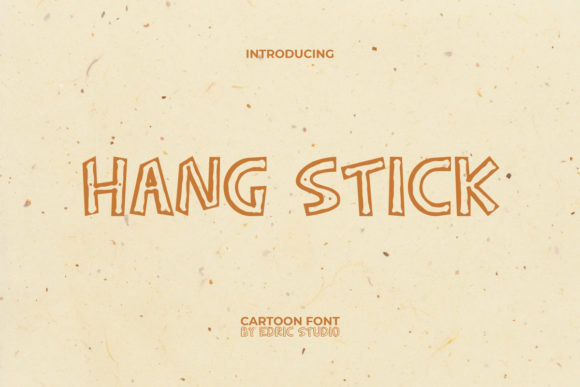
In the world of graphic design, typography is more than just selecting a readable font; it is about evoking emotion, setting a tone, and creating an immediate visual connection with the viewer. Among the myriad of typefaces available today, there is a specific category that taps into nostalgia, warmth, and the tactile nature of traditional education: chalkboard fonts. One standout in this genre is Hang Stick, a cool and crafty looking display font designed to mimic the authentic look of handwritten text on a slate or blackboard. This article explores what makes Hang Stick unique, its practical applications, and how creators can leverage its characteristics to add a personal and realistic feel to their designs.
The Essence of Hang Stick
At first glance, Hang Stick appears to be nothing more than simple handwriting. However, upon closer inspection, it reveals itself as a meticulously crafted digital typeface that captures the irregularities and charm of real chalk writing. The font’s name suggests a rustic, perhaps even slightly whimsical origin, but its execution is grounded in professional design principles. It is not merely a "fun" font reserved for children's parties; rather, it possesses a versatility that allows it to serve both casual and professional contexts.
The defining characteristic of Hang Stick is its ability to simulate the texture and imperfection of chalk on a rough surface. Unlike clean, geometric sans-serif fonts that dominate modern corporate branding, Hang Stick introduces organic lines, slight wobbles, and varying stroke widths. These subtle details are crucial because they break the monotony of digital perfection, making the text feel human, approachable, and genuine. For designers seeking to move away from sterile aesthetics, Hang Stick offers a pathway to warmer, more inviting visual communication.
Key Features and Characteristics
To understand why Hang Stick is a valuable tool for your design toolkit, it is helpful to break down its specific attributes:
- Authentic Texture: The font mimics the grainy, dusty appearance of chalk. This is particularly effective when used against dark backgrounds, where the contrast between the light "chalk" marks and the dark "board" creates a striking visual effect.
- Crafty Aesthetic: As described in its promotional materials, Hang Stick has a "crafty" look. This implies a handmade quality that resonates well with DIY brands, artisanal products, and creative workshops. It suggests effort, care, and personal touch.
- Readability vs. Style: While it is a display font, meaning it is best suited for headlines and short phrases rather than long paragraphs, Hang Stick maintains a level of legibility that prevents it from becoming illegible decoration. It strikes a balance between artistic flair and functional communication.
- Versatile Tone: The font can convey different moods depending on context. In an educational setting, it feels encouraging and friendly. In a restaurant menu, it suggests homemade, fresh ingredients. In social media graphics, it adds a layer of relatability and spontaneity.
Practical Applications in Design
One of the strongest arguments for using Hang Stick is its wide range of applications. Because it simulates a chalkboard environment, it naturally fits into scenarios where learning, creativity, or informal instruction takes place. Here are some specific areas where this font shines:
Educational Materials
Teachers and educators often struggle to make digital content feel as engaging as a physical classroom. Using Hang Stick for slide headers, worksheet titles, or online course thumbnails can bridge that gap. When students see text that looks like it was written by their teacher on a board, it creates a subconscious sense of familiarity and comfort. It transforms static digital information into something that feels dynamic and personally curated.
Retail and Hospitality Branding
For small business owners, especially those in the food and beverage industry, atmosphere is everything. A coffee shop menu, a bakery sign, or a wine list designed with Hang Stick can instantly communicate a vibe of "artisanal" and "handcrafted." Imagine a daily specials board at a café; if the text is digitally generated but styled with Hang Stick, it retains the cozy, welcoming feel of a traditional chalkboard without the mess of actual chalk. This is particularly useful for businesses that need to update their offerings frequently but want to maintain a consistent brand aesthetic.
Social Media and Content Creation
In the fast-paced world of social media, grabbing attention within the first few seconds is critical. Hang Stick’s distinctive look stands out in crowded feeds. Content creators can use it for quote graphics, motivational posters, or event announcements. The font’s "cool" factor helps it appeal to younger demographics who appreciate authenticity over polished corporate polish. Furthermore, because it looks hand-drawn, it aligns well with the growing trend of "lo-fi" or "aesthetic" content that values imperfection.
Who Benefits from Using Hang Stick?
While the font is versatile, certain groups will find it particularly indispensable:
- Graphic Designers: Professionals looking to add a touch of personality to client projects without resorting to cliché clip art will appreciate Hang Stick as a reliable alternative to generic handwriting fonts.
- Marketing Managers: Those tasked with creating seasonal campaigns, holiday promotions, or back-to-school advertisements will find the font’s thematic relevance a time-saver.
- Small Business Owners: Entrepreneurs who handle their own marketing materials benefit from a font that requires minimal design expertise to look professional yet unique.
- Content Creators: Bloggers, YouTubers, and influencers who build their brand on a personal connection with their audience can use Hang Stick to reinforce that human element.
Considerations and Limitations
No font is a one-size-fits-all solution, and Hang Stick is no exception. To use it effectively, designers must be aware of its limitations. First and foremost, it is a display font. This means it should not be used for body text. Trying to read a long article or a dense paragraph in Hang Stick would be fatiguing and frustrating for the reader. Its strength lies in short bursts of text—titles, slogans, labels, and captions.
Additionally, the effectiveness of Hang Stick is heavily dependent on its background. Since it mimics chalk, it performs best on dark, textured backgrounds such as charcoal, navy blue, or deep green. Using Hang Stick on a plain white background may strip away some of its intended character, making it look less like chalk and more like a standard marker script. Designers should experiment with textures and overlays to enhance the chalk-like appearance.
Another consideration is consistency. Because the font has a "hand-drawn" quality, spacing and alignment can sometimes appear uneven. While this is part of its charm, it can also lead to cluttered designs if not managed carefully. It is important to give the text enough breathing room and to avoid overcrowding the layout with other busy elements.
Evaluating Suitability for Your Project
Before integrating Hang Stick into a project, ask yourself a few key questions. Does the brand voice lean towards casual, friendly, and creative? If the answer is yes, Hang Stick is likely a strong candidate. Is the primary message meant to be quick and impactful? Display fonts work best for messages that are consumed at a glance. Finally, consider the medium. Will the final output be viewed on a screen where high contrast is possible, or will it be printed? For print, ensure that the resolution is high enough to capture the fine details of the font’s texture.
If you are designing for a formal corporate environment, a law firm, or a medical institution, Hang Stick may be too informal. In these cases, cleaner, more structured typefaces are usually preferred. However, even in conservative industries, there might be niche uses—for example, a community outreach program or an internal newsletter aimed at boosting morale—where a touch of warmth could be beneficial.
Conclusion
Hang Stick is more than just a novelty font; it is a strategic design asset that brings authenticity and warmth to digital communications. By capturing the essence of chalkboard writing, it allows designers and business owners to create content that feels personal, realistic, and engaging. Whether you are crafting educational materials, updating a cafe menu, or designing social media graphics, Hang Stick offers a unique way to connect with your audience on a human level. Its cool, crafty appearance adds a layer of depth that pure digital fonts often lack, reminding viewers that behind every design is a human creator. When used thoughtfully and in the right context, Hang Stick can transform ordinary text into an experience that resonates.