Elevating Brand Identity with Coffee Dream: The Intersection of Handwritten Authenticity and Modern Design
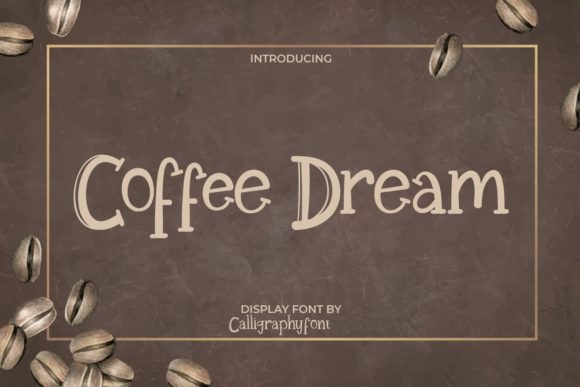
In an era where digital interfaces often dominate our visual landscape, the demand for authentic, human-centric design has reached a critical turning point. Consumers are increasingly fatigued by the sterile perfection of vector-based graphics and algorithmically generated layouts. Instead, they are gravitating towards typography that conveys warmth, personality, and a tangible sense of craftsmanship. This shift has created a fertile ground for fonts like Coffee Dream, a simple textured display font with casual letter shapes that will give your design an original handwritten look.
For professionals, creators, entrepreneurs, and marketers navigating this evolving creative ecosystem, understanding the strategic value of such typefaces is no longer optional; it is a competitive necessity. Coffee Dream is not merely a decorative element; it represents a broader movement in branding towards relatability and emotional connection. Readable, smart, and stylish, it is perfect for the design of business cards, product packaging, signage, quotes, titles, and many more applications where a brand needs to stand out while maintaining approachability.
The Psychology of Imperfection in Digital Commerce
To understand why Coffee Dream is gaining traction among industry leaders, one must first examine the psychological undercurrents of modern consumer behavior. We are living through a "humanization" trend in marketing. As artificial intelligence becomes capable of generating flawless copy and imagery at scale, the value proposition of human imperfection rises sharply. A perfectly straight line or a geometrically precise sans-serif font can signal efficiency, but it can also feel cold and distant.
This is where the unique characteristics of Coffee Dream become strategically vital. Its casual letter shapes mimic the natural fluidity of the human hand, introducing a subtle texture that algorithms struggle to replicate convincingly. When a consumer encounters a business card or a product label featuring this font, their brain registers a sense of authenticity. It suggests that a real person poured effort into the creation of the brand, rather than a machine executing a template. In a marketplace saturated with generic content, this perceived authenticity acts as a powerful differentiator.
Marketers are now prioritizing "tactile" aesthetics in digital spaces. Even though a website is viewed on a screen, using textures and handwriting-style fonts creates a sensory illusion of touch. This aligns with the growing lifestyle trend of seeking "slow living" experiences—products that feel curated, thoughtful, and grounded. Coffee Dream serves as a visual bridge between the physical world of artisanal goods and the digital realm of e-commerce.
Bridging the Gap Between Professionalism and Creativity
One of the most significant challenges facing freelancers and small business owners today is balancing professionalism with creativity. Traditional serif fonts can sometimes feel too formal or academic, while standard script fonts often veer into illegibility or cliché. Coffee Dream occupies a crucial middle ground. It is described as readable, smart, and stylish, making it versatile enough for serious business contexts without sacrificing its artistic flair.
Consider the workflow of a freelance graphic designer tasked with rebranding a local coffee shop or a boutique skincare line. The client likely wants to convey a message of quality and care, but they do not want their audience to feel intimidated. By utilizing Coffee Dream for headlines and key messaging, designers can inject a sense of narrative into the visual identity. The font's textured nature adds depth to flat designs, allowing for a richer visual hierarchy without cluttering the layout.
This versatility extends to various industries beyond just food and beverage. Tech startups are beginning to adopt softer typographic voices to appear more user-friendly. Educational platforms use it to make learning materials feel less rigid. Even financial services are experimenting with warmer tones in their communications to build trust. The ability of Coffee Dream to adapt to these diverse sectors speaks to its fundamental design intelligence. It does not force a specific mood upon the viewer; instead, it enhances the existing tone of the brand.
Practical Applications in Modern Brand Ecosystems
The utility of a font is best understood through its application across the customer journey. Let us explore how Coffee Dream fits into specific, high-impact areas of business communication.
- Business Cards and Stationery: In a networking environment, a business card is often the only physical artifact exchanged. Using a standard font can render the card forgettable. However, a card printed with the textured, casual lettering of Coffee Dream invites the recipient to hold it and appreciate the detail. It transforms a simple contact exchange into a memorable interaction.
- Product Packaging: For entrepreneurs launching new products, shelf appeal is paramount. Whether it is a craft beer label, a jar of organic honey, or a limited-edition clothing tag, packaging must tell a story instantly. Coffee Dream allows brands to create a "hand-signed" aesthetic that implies small-batch production and attention to detail. This perception of exclusivity can justify premium pricing and foster customer loyalty.
- Social Media and Digital Signage: In the fast-paced environment of social media feeds, users scroll quickly. Static, blocky text is easily ignored. Quotes and titles set in Coffee Dream catch the eye due to their irregular rhythm and organic flow. They break the monotony of the grid, encouraging the user to pause and engage with the content. Furthermore, on digital signage in retail environments, this font can soften the corporate atmosphere, making the space feel more inviting and less transactional.
- Editorial and Content Marketing: Blog headers, newsletter subject lines, and eBook covers benefit significantly from the stylistic lift provided by Coffee Dream. It signals to the reader that the content within is crafted with care. For content creators, this subtle cue can increase open rates and time-on-page, as the typography sets an expectation of quality.
Adapting to Changing Creative Workflows
The rise of remote work and distributed teams has changed how design assets are managed and deployed. Brands need typefaces that are robust, scalable, and effective across multiple mediums—from mobile screens to large-format print. Coffee Dream addresses these modern workflow requirements by offering a balance of distinctiveness and legibility.
Designers no longer need to rely on complex layering techniques to achieve a textured look. With Coffee Dream, the texture is intrinsic to the glyph structure. This streamlines the design process, reducing the time spent on post-production effects and ensuring consistency across all deliverables. For agencies managing multiple clients, having a font that can be trusted to perform well in both digital and print environments is a logistical advantage.
Moreover, the font's compatibility with various design software and web standards ensures that it remains relevant as technology evolves. As web browsers improve their rendering engines, the nuances of the Coffee Dream texture will continue to be displayed accurately, preserving the intended aesthetic integrity regardless of the device used to view it.
The Future of Typography in a Connected World
Looking ahead, the trajectory of design points toward even greater personalization and emotional resonance. As we move further into the metaverse and immersive digital experiences, the need for distinct visual identities will intensify. Coffee Dream positions itself at the forefront of this evolution by offering a style that feels timeless yet contemporary.
It is not about rejecting modern design principles but rather augmenting them with human elements. The success of Coffee Dream lies in its ability to serve as a tool for storytelling. It allows brands to communicate values of honesty, creativity, and community without saying a word. For the professional looking to future-proof their brand, investing in typography that resonates on a human level is a strategic decision.
In conclusion, Coffee Dream is more than just a font choice; it is a statement about the kind of world we want to inhabit—one that values connection over convenience and authenticity over perfection. Whether you are designing a sleek business card, a vibrant product package, or a compelling title sequence, the casual letter shapes of this font provide the perfect canvas for your vision. By integrating Coffee Dream into your workflow, you align your brand with the prevailing currents of consumer desire, ensuring that your message is not only seen but felt.
As you embark on your next creative project, consider the power of a handwritten look in a digital age. Embrace the readability, intelligence, and style of Coffee Dream to craft designs that leave a lasting impression. The future of design belongs to those who can blend technical precision with human warmth, and this font offers the ideal foundation for that journey.