Rain Fall: Elevating Brand Identity with Vintage Charm
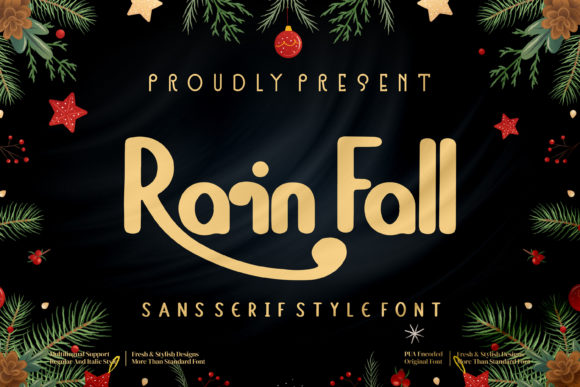
In the crowded landscape of digital and physical design, standing out often comes down to subtle details rather than loud declarations. One such detail is typography. Specifically, the choice of a display font can dictate the entire mood of a project before a single word is read. Enter Rain Fall, a chic and vintage-styled display font that brings an immediate sense of sophistication, nostalgia, and premium quality to any surface it touches. It isn’t just a typeface; it’s a signature taste that whispers luxury.
Unlike utilitarian sans-serifs designed for readability at small sizes, Rain Fall is built to be seen. Its curves are deliberate, its spacing intentional, and its aesthetic rooted in an era where craftsmanship was paramount. For designers, entrepreneurs, and creatives looking to add a layer of elegance to their work, understanding how to leverage this font effectively is key to creating memorable brand experiences.
The Aesthetic Appeal of Vintage Elegance
Why does "vintage" remain such a powerful force in modern design? The answer lies in our collective longing for authenticity. In a world dominated by flat, minimalist interfaces, a font like Rain Fall offers texture and history without feeling dated. It captures the essence of mid-century elegance mixed with a contemporary chic sensibility. This balance makes it incredibly versatile for brands that want to appear established and trustworthy yet fresh and stylish.
The font’s structure allows it to serve as a visual anchor. When used on logos or primary branding elements, it immediately signals to the consumer that attention has been paid to detail. It suggests that the product or service behind the logo is not mass-produced in a rush but crafted with care. This psychological cue is invaluable for businesses aiming to position themselves in the premium market segment.
Real-World Applications: From Packaging to Print
While many fonts sit unused in libraries, Rain Fall finds its true home in tangible, high-impact applications. Its strength lies in its ability to transform ordinary objects into desirable items. Let’s look at how different industries and creators are putting this font to work in practical scenarios.
Product Packaging and Homeware
Consider the unboxing experience. For small business owners selling candles, skincare, or artisanal goods, packaging is the first physical interaction a customer has with the brand. Rain Fall excels here. Imagine a matte black box with the brand name embossed in white Rain Fall lettering. The contrast between the dark background and the elegant, slightly retro script creates an instant perception of value. It works particularly well on:
- Cosmetic Jars: Adding a touch of glamour to serums and creams.
- Food Labels: Elevating gourmet chocolates, specialty coffees, or organic teas.
- Home Decor: Creating labels for ceramic vases or wooden cutting boards.
The font’s legibility, even at smaller sizes on curved surfaces, ensures that the brand name remains clear while still maintaining its artistic flair. It turns a simple jar of lotion into a gift-worthy item.
Branding and Logo Design
For startups and personal brands, establishing a unique identity is crucial. Rain Fall provides a distinctive voice that stands apart from the sea of Helvetica and Arial. It is ideal for:
- Boutique Hotels and B&Bs: Conveying warmth and hospitality with a touch of old-world charm.
- Fashion Labels: Especially those focusing on sustainable, slow fashion or vintage-inspired clothing lines.
- Cafes and Bakeries: Creating menus and signage that feel inviting and cozy.
When used in a logo, Rain Fall often serves best as the primary mark. Pairing it with a simpler, cleaner secondary font for body text can create a balanced hierarchy that guides the eye effectively.
Mugs, Quotes, and Personalized Gifts
The rise of the creator economy has led to a surge in demand for personalized products. Platforms like Etsy are filled with sellers offering custom mugs, tote bags, and wall art. Rain Fall is a top choice for these artisans because it reads well on merchandise. Whether it’s a motivational quote printed on a coffee mug or a name embroidered on a bathrobe, the font adds a "premium signature taste" that customers are willing to pay extra for.
It works beautifully for event stationery as well. Wedding invitations, save-the-dates, and thank-you cards benefit from the romantic and formal vibe that Rain Fall projects. It feels personal and hand-crafted, even when produced digitally.
Who Benefits Most from This Typeface?
Not every designer needs Rain Fall, but specific audiences will find it indispensable. Understanding who benefits helps in deciding whether to incorporate it into your workflow.
Luxury Brand Managers use it to reinforce brand equity. By consistently applying Rain Fall across marketing materials, they create a cohesive visual language that screams exclusivity. Freelance Graphic Designers rely on it to offer clients a specialized aesthetic that differentiates their portfolio. Social Media Content Creators in the lifestyle, beauty, and interior design niches use it for overlay text on Instagram posts and Pinterest pins, ensuring their content looks polished and professional.
Even Event Planners find value in Rain Fall for creating cohesive themes. From banner designs to table place cards, the font ties together various elements of an event, ensuring a unified and sophisticated atmosphere.
Practical Considerations and Best Practices
Using Rain Fall effectively requires more than just dropping it into a design software. To get the most out of this vintage-styled display font, keep these practical tips in mind.
Pairing is Key
Because Rain Fall is a strong display font, it should not be overused. It shines when paired with complementary typefaces. Clean, modern sans-serifs provide a nice contrast, allowing the vintage character of Rain Fall to stand out without competing for attention. Serifs with low contrast can also work well, creating a harmonious blend of old and new.
Whitespace is Your Friend
Vintage fonts often have intricate details. To ensure they are appreciated, give them room to breathe. Avoid cramming Rain Fall text into tight spaces. Generous whitespace around the letters enhances readability and reinforces the luxurious feel. This is especially important on packaging and posters where clutter can detract from the elegance.
Color and Texture
The impact of Rain Fall is amplified by thoughtful color choices. Metallic foils (gold, silver, copper) against dark backgrounds create a stunning effect. Similarly, using textured papers for print projects can enhance the vintage aesthetic. Digital designs can simulate these effects with gradients and shadows, but nothing beats the tactile experience of real foil stamping or debossing.
Limitations to Keep in Mind
Like any tool, Rain Fall has its limitations. It is not suitable for body copy or long-form reading. Its decorative nature makes it tiring to read in large paragraphs. Additionally, its vintage style may not align with brands seeking a futuristic, tech-forward, or ultra-minimalist image. Misapplying it to contexts where it doesn’t fit can result in a design that feels forced or incongruous.
Furthermore, accessibility should always be a consideration. Ensure that the contrast between the font color and background is sufficient for all users. While Rain Fall is elegant, it must remain legible to be effective.
Conclusion
Rain Fall is more than just a font; it is a design decision that communicates quality, heritage, and style. Whether you are launching a new brand, designing a product line, or creating personal gifts, incorporating this chic, vintage-styled typeface can elevate your work from ordinary to exceptional. By understanding its strengths and applying it thoughtfully, you can harness its power to create designs that resonate deeply with your audience and leave a lasting impression.