Fontanero: Bold Geometric Type for Fresh Designs
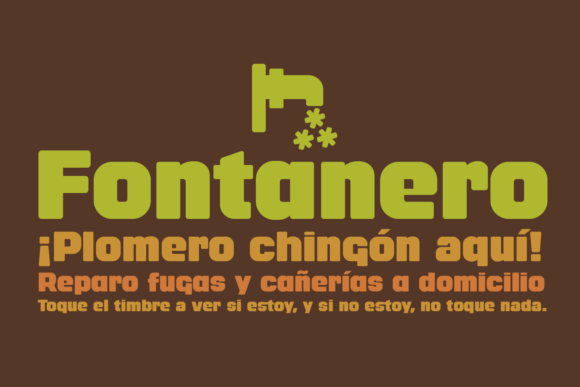
If you are looking to make a statement with your next design project, Fontanero offers a unique solution that balances structure with approachability. This is not just another standard sans-serif; it is a thick display font defined by its square proportions and distinctively rounded angles. The visual impact is immediate, delivering a fresh and bold appearance that captures attention without feeling aggressive.
What makes this typeface particularly interesting is its compact nature. Thanks to the ascending shorts in the letterforms, the characters sit closely together, creating a dense and efficient block of text. This geometric and mathematical aspect gives your projects a sense of order and precision while maintaining a modern, playful vibe. Whether you are designing a logo, a website header, or educational materials, understanding how Fontanero works can elevate your visual communication significantly.
Understanding the Unique Structure of Fontanero
To appreciate Fontanero, you first need to look at its construction. Most display fonts fall into two categories: those that are elegant and thin, or those that are heavy and industrial. Fontanero finds a sweet spot in between. The "square proportions" mean that the width and height of the letters are balanced in a way that feels stable and grounded. Unlike traditional geometric fonts that might feel cold or robotic, the rounded angles soften the edges, making the type feel friendly and inviting.
The mention of "ascending shorts" refers to the specific way the tops of certain letters are shortened or shaped. In typography, ascenders are the parts of lowercase letters like 'b', 'd', 'h', 'k', and 'l' that rise above the main body. By keeping these short, the designer has created a compact typeface. This means you can fit more information into a smaller space without sacrificing readability. It is a clever trick that allows for bold headlines that don't dominate an entire page unless you want them to.
This combination of geometry and softness creates a mathematical yet human aesthetic. It suggests precision, which is why it appeals to professionals who value accuracy, but the roundness ensures it doesn't alienate casual users. It is a versatile tool that adapts well to various contexts, from high-tech startups to cozy community centers.
Why Choose a Thick Display Font?
In today's digital landscape, where users scroll through content at lightning speed, grabbing attention is half the battle. A thick display font like Fontanero acts as a visual anchor. When placed strategically, it stops the eye and encourages the reader to pause. This is crucial for entrepreneurs and marketers who need their key messages to be understood instantly.
The bold weight of the font conveys confidence. If you are launching a new product or announcing a sale, using a light or delicate font might seem too timid. Fontanero says, "We are here, and we matter." However, because of the rounded corners, it avoids the harshness often associated with blocky, heavy fonts. It remains legible even at smaller sizes or when viewed on mobile devices, which is essential for modern web design.
- Visual Hierarchy: Use it to separate sections clearly on a webpage or document.
- Brand Identity: Its unique shape helps create a memorable logo or brand mark.
- Readability: The compact design keeps lines tight, reducing white space waste.
Practical Applications Across Different Industries
One of the strongest qualities of Fontanero is its adaptability. You do not need to be a professional graphic designer to see its potential. Here is how different groups can utilize this typeface effectively in their daily work and creative pursuits.
For Educators and Creators: Teachers and bloggers often struggle to make learning materials engaging. Using Fontanero for titles in worksheets, presentation slides, or blog headers can make the content feel more exciting and less like a textbook. The mathematical aspect of the font subtly reinforces the idea of logic and structure, which pairs well with STEM subjects or organized lesson plans.
For Small Business Owners: Imagine running a bakery, a tech repair shop, or a boutique clothing store. A sign or a flyer needs to stand out in a crowded market. Fontanero's square and rounded mix can convey reliability (the squares) and warmth (the rounds). For example, a coffee shop could use it for a menu board, making the prices and drink names pop off the wall without looking cluttered.
For Freelancers and Marketers: When creating social media graphics or email newsletters, consistency is key. Fontanero provides a strong voice that unifies your brand across platforms. Because it is a display font, it is best used for headlines, pull quotes, or button labels rather than long paragraphs of body text. This distinction helps guide the user's journey through your content.
Real-World Examples and Use Cases
Consider a scenario where a freelancer is designing a portfolio website. They want to showcase their work in photography. By using Fontanero for the section headings like "Portfolio" or "About Me," they create a clean, architectural frame around their images. The compact nature of the font means the navigation menus remain tidy, allowing the photos to take center stage.
Another example involves a startup creating a pitch deck. Investors scan hundreds of decks, so clarity is paramount. Using Fontanero for the company name and key statistics adds a layer of professionalism and stability. The "mathematical aspect" mentioned earlier subconsciously signals to investors that the business model is sound and calculated.
Even hobbyists can benefit. Someone creating a custom t-shirt design or a sticker pack for a local event can use Fontanero to give their work a polished, commercial look. The rounded angles ensure the design feels fun and accessible, perfect for community gatherings or personal projects.
Important Considerations Before You Start
While Fontanero is a powerful tool, like any typeface, it requires thoughtful application to achieve the best results. The most common mistake designers make is overusing display fonts. Because Fontanero is thick and bold, it demands respect. Using it for long blocks of text will likely result in a visually overwhelming experience that is difficult to read.
Instead, think of it as a spotlight. Use it sparingly to highlight the most important elements. Pairing it with a lighter, simpler sans-serif for body text creates a beautiful contrast. The boldness of Fontanero will draw the eye, while the secondary font handles the detailed reading comfortably.
Additionally, consider the context of your audience. While the font is generally friendly, its geometric roots might feel slightly sterile if paired with overly decorative or chaotic imagery. Ensure the surrounding visuals complement the clean lines and mathematical precision of the type. Also, remember that "compact" does not mean "crowded." Even though the letters are close together, ensure there is enough leading (space between lines) if you are stacking multiple words vertically.
Finally, test your designs across different screens. The rounded angles and square proportions may render differently on older monitors or small mobile screens. Always preview your work to ensure the bold strokes remain crisp and the spacing remains balanced. With these considerations in mind, Fontanero becomes more than just a font choice; it becomes a strategic asset in your design toolkit.
Whether you are a beginner taking your first steps into graphic design or a seasoned professional looking to refresh your brand identity, exploring the capabilities of Fontanero can lead to surprisingly effective outcomes. Its blend of bold geometry and soft curves offers a fresh perspective that resonates with modern audiences. By integrating this typeface thoughtfully, you can transform ordinary layouts into striking visual experiences that communicate clearly and confidently.