Dopeness Font: The Ultimate Display Type for Bold Projects
In a digital landscape saturated with generic sans-serifs and overused serif pairings, finding a typeface that commands attention without sacrificing readability is a genuine challenge. Dopeness enters the conversation not as another decorative option, but as a strategic asset for designers who need to cut through the noise. This modern display font distinguishes itself immediately with its unique extruded 3D effects and integrated shadows, creating a visual depth that flat typography simply cannot achieve.
Whether you are a graphic designer crafting a poster for a local event, a marketer developing a high-conversion landing page, or a small business owner looking to revamp your brand identity, the utility of Dopeness extends far beyond simple aesthetics. It offers a tangible way to elevate communication, ensuring your message is not just read, but felt. By leveraging the specific characteristics of this font, creators can inject energy and personality into their work while maintaining professional standards.
What Makes Dopeness Stand Out?
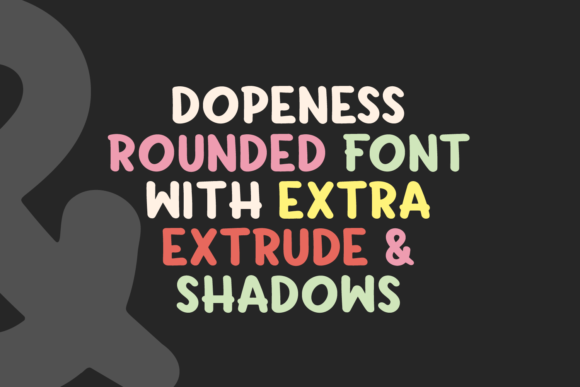
The core strength of Dopeness lies in its architectural approach to letterforms. Unlike standard fonts that rely on weight variations to create hierarchy, Dopeness uses physical dimensionality. The "extrude" feature gives the letters a blocky, tangible presence, as if they are constructed from solid material. When paired with the built-in shadow effects, the text appears to float above the background, casting a realistic shadow that grounds the design.
This dual-layered effect serves a functional purpose. In web design, where screen real estate is at a premium, Dopeness allows headlines to occupy space effectively without requiring excessive scaling. The extrusion creates a natural separation between the text and the background image, reducing the need for additional overlay elements like drop caps or heavy borders. For print applications, such as t-shirts or magazines, the font provides a tactile quality that mimics embossing or raised printing techniques, often saving on production costs by achieving a complex look with a single file.
The versatility of Dopeness is further enhanced by its clean lines. Despite the added 3D effects, the underlying structure remains legible even at smaller sizes or when viewed from a distance. This balance between stylistic flair and functional clarity is what separates a novelty font from a professional tool. It avoids the common pitfall of being unreadable due to excessive ornamentation, making it suitable for environments where information must be conveyed quickly and accurately.
Real-World Applications Across Industries
The adaptability of Dopeness makes it a go-to choice for a wide spectrum of creative projects. Its robust nature ensures it performs well in high-stakes commercial environments while remaining accessible for personal hobbies.
- Signage and Posters: For event promotion, concert posters, or storefront signage, visibility is paramount. The extruded look of Dopeness ensures that headlines pop against busy backgrounds or low-light conditions. Whether printed on large format vinyl or displayed on a digital billboard, the font maintains its impact, drawing the eye immediately to the most important information.
- Gaming and Esports: The gaming community thrives on bold, aggressive, and immersive visuals. Dopeness fits perfectly within this ecosystem, offering a style that complements sci-fi interfaces, retro arcade themes, and competitive branding. The shadow effects add a layer of drama that resonates with players looking for an intense experience.
- E-Commerce and T-Shirts: Apparel design requires graphics that survive the washing machine and still look good after months of wear. The thick strokes and defined edges of Dopeness translate exceptionally well to screen printing and embroidery. It works equally well for product packaging, adding a premium feel to limited edition releases or promotional merchandise.
- Web Design and UI: While body text should generally remain neutral, headers benefit immensely from the character Dopeness brings. Using it for hero sections, call-to-action buttons, or navigation menus can significantly increase user engagement. The font guides the user's eye naturally through the content flow, acting as a visual anchor in a sea of information.
- Educational Materials: Teachers and educators often struggle to make learning materials engaging for students. Incorporating Dopeness into worksheets, presentation slides, or classroom posters can transform dry content into something exciting. The playful yet structured nature of the font helps maintain student interest without appearing childish.
Strategic Benefits for Branding and Communication
Choosing the right typography is rarely just about preference; it is a strategic decision that influences how a brand is perceived. Dopeness communicates confidence, innovation, and forward-thinking. When used consistently across marketing materials, it reinforces brand recognition. A logo or headline set in Dopeness becomes memorable because it breaks the monotony of standard typefaces that users see daily.
From a usability perspective, the font aids in cognitive processing. The extrusion and shadows provide immediate visual cues about importance. Users instinctively understand that text with these effects is a headline or a key point, allowing them to scan documents and websites more efficiently. This efficiency translates to better user experience (UX) metrics, as visitors can find the information they need faster, reducing bounce rates and increasing time on page.
For entrepreneurs and freelancers, time is money. Dopeness simplifies the design process by eliminating the need to manually create 3D effects using graphic design software. The built-in extrusion and shadow parameters allow for rapid prototyping and iteration. You can adjust the depth of the extrusion or the angle of the shadow to match your specific project needs without starting from scratch. This workflow efficiency enables creators to focus more on strategy and less on technical execution.
Practical Considerations for Implementation
While Dopeness is powerful, its effectiveness depends on thoughtful application. To get the best results, consider the context in which the font will appear. Overusing extruded text can lead to visual clutter, so it is best reserved for headlines, logos, and short phrases rather than long paragraphs of body copy. The goal is to use it as a spotlight, illuminating the most critical parts of your message.
Color selection plays a crucial role in maximizing the 3D effect. High-contrast color combinations often yield the most dramatic results, but subtle gradients can also enhance the extrusion to create a metallic or glossy finish. Be mindful of accessibility standards; ensure that the contrast between the text and the background remains sufficient for users with visual impairments. The shadow should never obscure the legibility of the characters.
When integrating Dopeness into a broader design system, pairing it with simpler, cleaner fonts is essential. A minimalist sans-serif or a classic serif for body text creates a perfect counterbalance to the boldness of Dopeness. This contrast ensures that the overall design feels balanced and professional, preventing the layout from becoming overwhelming. By respecting the hierarchy of information, you allow Dopeness to shine where it matters most.
Ultimately, Dopeness represents a shift towards more dynamic and expressive typography. It empowers creators to tell stories that are visually compelling and emotionally resonant. Whether you are launching a new startup, designing a campaign for a major brand, or simply expressing your creativity, this font provides the tools necessary to make a lasting impression. In a world where attention is the most valuable currency, having a typeface that demands to be seen is an invaluable advantage.