Wolomi: A Comprehensive Evaluation for Display Typography
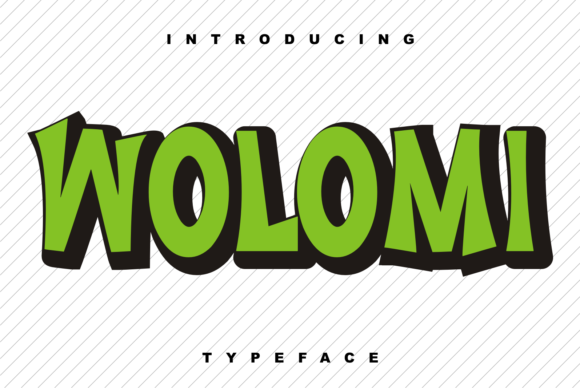
In the landscape of digital design and print media, the selection of typography often dictates the immediate impact of a visual composition. Among the various typefaces available to designers, Wolomi has emerged as a distinct option within the display category. This font is characterized by its thick lettering and a cool, modern aesthetic that prioritizes strong visual presence over intricate detail. For professionals and enthusiasts evaluating type options, understanding the specific utility of Wolomi requires an objective look at its design philosophy, functional applications, and potential limitations.
Understanding the Design Characteristics of Wolomi
Wolomi is fundamentally a display typeface designed to capture attention through simplicity and weight. Unlike serif or sans-serif fonts intended for extended body text, Wolomi utilizes bold strokes and geometric clarity to create a robust visual identity. The "thick-lettered" nature of the font means that it possesses a high x-height and substantial stroke width, which contributes to its legibility from a distance. This structural simplicity allows the font to maintain its integrity even when scaled up for large formats or reduced in size for smaller headers without losing its core character.
The "cool" aspect of Wolomi refers to its contemporary styling. It avoids ornamental flourishes, opting instead for clean lines and a straightforward construction. This minimalist approach ensures that the font does not compete with imagery or other graphical elements but rather complements them by providing a solid foundation. The result is a typeface that feels modern, confident, and direct, making it suitable for contexts where immediate recognition is paramount.
Strategic Applications and Visual Impact
When considering whether to incorporate Wolomi into a project, it is essential to evaluate the environments where its specific traits offer the most value. The primary strength of this font lies in its ability to enhance appeal through sheer presence. In scenarios where a design needs to stand out against a cluttered background, the heavy weight of Wolomi provides a necessary anchor.
- Headline and Banner Design: Due to its thick lettering, Wolomi excels in headlines, banners, and hero sections. It can command attention instantly, reducing the cognitive load required for a viewer to process the message.
- Branding and Logotypes: For brands seeking a modern, assertive identity, Wolomi offers a strong starting point. Its simple geometry allows for easy adaptation into logos, ensuring scalability across different mediums, from business cards to billboards.
- Poster and Event Graphics: In the realm of event promotion, the "cool" factor of Wolomi aligns well with contemporary trends in music festivals, tech conferences, and urban art exhibitions. It conveys energy and relevance without requiring complex graphic overlays.
The claim that this font makes creations more appealing stems from its ability to simplify complex layouts. By using a single, strong typeface, designers can reduce visual noise. When paired with ample whitespace, the boldness of Wolomi creates a sense of luxury and confidence that lighter fonts often struggle to achieve in short bursts.
Evaluating Tradeoffs and Limitations
While Wolomi offers significant advantages for display purposes, a balanced evaluation must acknowledge its limitations. The very characteristics that make it effective for headlines render it unsuitable for other tasks. The thick lettering and high visual weight mean that Wolomi lacks the subtlety required for body copy. Using this font for long-form text would likely result in poor readability, eye strain, and a visually overwhelming experience for the reader.
Furthermore, the simplicity of the design, while a strength in many contexts, can be perceived as generic if not handled with care. Because the font relies heavily on weight rather than unique serifs or ligatures, it may lack the personality needed for niche markets that require a highly distinctive voice. Designers must be cautious not to overuse the font, as repetition of such a dominant style can lead to visual fatigue.
Another consideration is the context of the audience. If the target demographic prefers traditional, classic, or elegant aesthetics, the modern and somewhat industrial feel of Wolomi might clash with their expectations. It is crucial to align the font's personality with the brand's tone. A mismatch here can dilute the effectiveness of the entire communication strategy.
Situations Favoring Alternatives
There are specific scenarios where alternatives to Wolomi may be worth considering. If a project requires a versatile type family that covers both headings and body text, a system font or a comprehensive sans-serif family with multiple weights would be a more practical choice. These systems ensure typographic harmony and consistency throughout the document, whereas relying on Wolomi for everything would compromise the hierarchy of information.
For projects demanding a warm, human, or organic feel, a font with softer curves or handwritten qualities might be more appropriate. Wolomi's geometric precision can sometimes feel cold or rigid, which may not suit industries like hospitality, wellness, or artisanal crafts. Additionally, in technical documentation or academic publishing, where neutrality and tradition are preferred, the bold and trendy nature of Wolomi would be inappropriate.
Practical Decision-Making Insights
To determine if Wolomi aligns with your specific goals, consider the following decision framework. First, define the primary function of the typography. Is the goal to grab attention quickly, or to facilitate detailed reading? If the former, Wolomi is a strong candidate. If the latter, it should be avoided.
Second, assess the overall design ecosystem. Does the rest of the design rely on minimalism and bold contrasts? Wolomi thrives in these environments. Conversely, if the design is already dense with textures, patterns, and varied imagery, adding another heavy element might create chaos rather than clarity.
Finally, test the font in context. Before committing to a full project, apply Wolomi to mockups of the actual end-use medium. View the design at different sizes and distances. Observe how the thick letters interact with the surrounding space. This practical testing will reveal whether the "strong visual effect" translates effectively to your specific use case.
In conclusion, Wolomi serves as a specialized tool for designers looking to inject a modern, bold aesthetic into their work. Its thick lettering and cool display style make it an excellent choice for headlines, branding, and promotional materials where impact is the priority. However, its utility is confined to these display roles. By understanding its strengths and respecting its limitations, designers can make informed decisions that leverage Wolomi's capabilities without compromising the overall quality and functionality of their designs.