Obligate: A Comprehensive Evaluation of the Display Font
Selecting the right typography is a critical step in any design project. It influences readability, brand perception, and the overall emotional tone of a piece. Among the various options available to designers, Obligate has emerged as a notable choice for those seeking a specific aesthetic. This article provides an objective analysis of what this typeface offers, who it serves best, and how it compares to other solutions in the market.
Understanding the Typeface Design
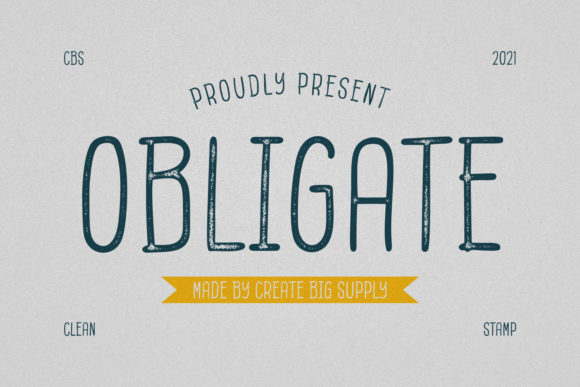
Obligate is classified as a display font, a category distinct from body text fonts due to its decorative nature and high visual impact. The design is characterized by its clean lines and beautiful structure, avoiding unnecessary ornamentation while maintaining a strong personality. Unlike serif fonts that rely on traditional flourishes or sans-serif fonts that prioritize minimalism, Obligate occupies a unique space that balances modernity with approachability.
The core strength of this font lies in its ability to convey a fresh and happy look without overwhelming the viewer. Its letterforms are engineered to be legible even at larger sizes, which is essential for headlines, logos, and large-scale graphics. The "clean" aspect of its description refers to the uncluttered negative space within the characters, allowing the design to breathe and ensuring that the message remains clear. This makes it a versatile tool for projects where clarity and charm must coexist.
Primary Applications and Use Cases
Designers often evaluate a font based on the specific contexts in which it performs well. Based on its structural properties, Obligate demonstrates particular effectiveness in several key areas:
- Birthday and Greeting Cards: The joyful glow inherent in the character shapes makes it an excellent candidate for celebratory materials. Whether for a child's birthday or a general holiday greeting, the font adds a sense of warmth and festivity that aligns naturally with the occasion.
- Social Media Graphics: In the fast-paced environment of social media, images must capture attention quickly. Obligate's clean yet expressive style helps content stand out in crowded feeds. It works particularly well for promotional posts, event announcements, and lifestyle branding where a friendly tone is required.
- Web Design Headlines: While not typically used for long-form web copy, it excels as a headline typeface. It can set the mood for landing pages, blog headers, or section dividers, guiding the user's eye and establishing a positive first impression before they begin reading the body text.
- Brand Identity Elements: For startups or small businesses aiming to project a fresh image, this font can serve as a primary logo element or a key component of a brand kit. It suggests innovation and optimism without appearing overly corporate or stiff.
Evaluating Benefits and Tradeoffs
When considering whether to incorporate Obligate into a workflow, it is important to weigh its advantages against potential limitations. Every typeface involves tradeoffs between style, functionality, and versatility.
The primary benefit of using this font is its ability to instantly elevate the perceived quality of a design. It guarantees a result that feels curated and intentional. The "joyful glow" mentioned in its description is not merely marketing language; it is a visual attribute derived from the rounded terminals and open counters of the letters. This creates an inviting atmosphere that can help engage audiences emotionally.
However, there are considerations to keep in mind. As a display font, it is generally unsuitable for body copy. Using it for paragraphs of text would likely reduce readability and cause visual fatigue. Furthermore, because it carries a distinct personality, it may not fit every brand voice. If a project requires a serious, authoritative, or highly technical tone, the cheerful nature of Obligate might undermine the intended message.
Situations Where Alternatives May Be Preferred
While Obligate is a strong contender for many creative projects, it is not a universal solution. Designers should consider alternatives when their goals diverge from the font's strengths.
- Formal and Corporate Environments: If the goal is to establish trust through tradition and stability, a classic serif or a neutral geometric sans-serif might be more appropriate. The playful elements of Obligate could appear unprofessional in legal, financial, or medical communications.
- High-Volume Text Projects: For books, extensive reports, or news articles, readability is paramount. Fonts designed specifically for screen or print body text offer better spacing and kerning for long passages. Relying on a display font like Obligate for these tasks would compromise the user experience.
- Minimalist Branding: Brands that aim for extreme minimalism often prefer typefaces with zero decorative intent. If the design philosophy relies on stark contrast and absolute simplicity, the "happy" and "fresh" attributes of Obligate might add too much visual noise.
Practical Decision-Making Insights
To determine if this typeface aligns with your specific needs, consider the following decision-making framework. Start by defining the emotional response you want your audience to have. If the desired reaction is happiness, excitement, or engagement, Obligate is a logical choice. If the goal is neutrality or gravity, explore other options.
Next, evaluate the medium. On digital screens, ensure that the font renders clearly across different devices and resolutions. While display fonts are generally robust, testing them at various sizes is crucial. Additionally, consider pairing. A font like Obligate often benefits from being paired with a simple, understated sans-serif for secondary text. This combination allows the display font to shine as the focal point while maintaining overall legibility.
Finally, assess the longevity of the design. Trends in typography shift rapidly. While Obligate currently fits the trend of friendly, human-centric design, consider whether the style will feel dated in a few years. Fonts with timeless qualities tend to age better than those tied closely to current fads.
Conclusion
Obligate stands out as a beautiful and clean display font capable of transforming ordinary projects into something special. Its capacity to deliver a fresh and happy look makes it a valuable asset for creators working on greeting cards, social media campaigns, and web designs that require a touch of joy. However, successful implementation depends on understanding its limitations and applying it only where its specific character enhances the message.
By carefully evaluating the context, audience, and goals of a project, designers can decide if this font is the right tool for the job. When used correctly, it ensures that the final product captures and enchants the audience, leaving a lasting positive impression. Ultimately, the decision to use Obligate should be driven by the specific narrative you wish to tell and the emotional connection you seek to build with your viewers.