Why Rules Is the Ultimate Choice for Bold, High-Impact Graphic Design
In a visual landscape that is increasingly saturated, standing out requires more than just a good idea; it requires a typographic presence that commands attention. When you are designing for high-visibility applications like t-shirts, sportswear, or large-scale advertisements, subtle elegance often gets lost in the noise. This is where Rules steps in. It is not merely a typeface; it is a statement tool designed for those who need their message to be read, felt, and remembered instantly.
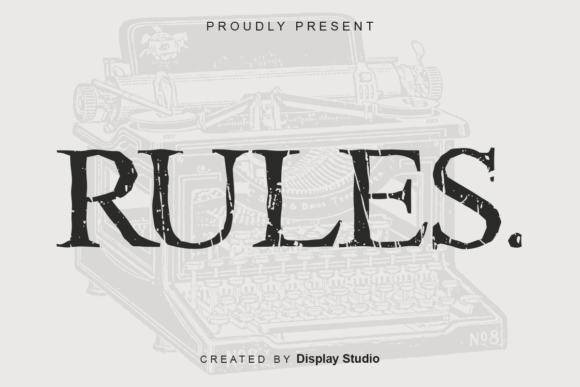
Rules is a cool, rough-textured, and bold display font that bridges the gap between industrial grit and modern streetwear aesthetics. Its distinctive character makes it an ideal companion for brands looking to convey strength, authenticity, and raw energy. Whether you are a freelance graphic designer working on a client’s rebrand or a small business owner creating your own merchandise, understanding the specific utility of this font can elevate your projects from standard to standout.
The Anatomy of Attitude: Understanding Rough Textures in Typography
Not all bold fonts are created equal. While many sans-serif typefaces offer clean lines and geometric precision, they can sometimes feel sterile or corporate. Rules offers an alternative path. The "rough texture" inherent in its design is not a flaw; it is a deliberate stylistic choice that adds depth and tactile quality to digital and print media. This texture mimics the look of worn concrete, distressed fabric, or stamped metal, giving the letters a sense of history and weight.
When you apply Rules to a design, you are immediately injecting a layer of complexity that smooth fonts lack. The irregular edges catch the eye, forcing the viewer to pause. In marketing psychology, this pause is valuable. It suggests that the brand behind the design is unpolished in a good way—authentic, rugged, and real. For industries like skateboarding, heavy machinery, outdoor adventure, or urban fashion, this aesthetic alignment is crucial. It signals to the consumer that the product is built for action, not just for appearance.
Versatility Across Mediums
One of the most compelling aspects of Rules is its adaptability. A common misconception is that textured fonts only work well in high-resolution print. However, due to its bold structural integrity, Rules holds up remarkably well across various mediums:
- Apparel Printing: On t-shirts and hoodies, the rough texture translates beautifully through screen printing, DTG (Direct-to-Garment), and vinyl cutting. The bold strokes ensure legibility even when the ink spreads slightly on fabric.
- Digital Ads: On social media platforms like Instagram or Facebook, where images are viewed quickly on mobile devices, the high contrast and bold weight of Rules ensure the text remains readable without zooming in.
- Signage and Banners: For event banners or store signage, the font’s aggressive stance ensures visibility from a distance, making it perfect for headlines rather than body copy.
Strategic Applications for Modern Brands
To get the most out of Rules, it is essential to understand where it fits within broader design workflows. It is a display font, meaning it is intended for short bursts of text—headlines, logos, and key phrases—rather than paragraphs of reading material. Using it correctly can prevent visual clutter while maximizing impact.
Sportswear and Athletic Branding
The sportswear industry thrives on themes of power, speed, and endurance. Rules aligns perfectly with these values. Imagine a logo for a cross-fit gym, a running club, or a new line of athletic wear. A clean, thin font might suggest flexibility, but Rules suggests resilience. It pairs exceptionally well with dynamic imagery, such as athletes in motion or abstract representations of energy. By using Rules for the primary brand name, you anchor the design with a sense of stability and strength.
Consider a scenario where a local sports team is launching a new jersey. Using Rules for the team name across the chest provides a classic, varsity-inspired look with a modern twist. The rough edges add a layer of toughness that resonates with competitive athletes who value grit over glamour.
Streetwear and Urban Fashion
Streetwear culture is deeply rooted in rebellion, individuality, and artistic expression. Fonts in this space often borrow from graffiti, stencil art, and industrial labeling. Rules captures this essence without appearing chaotic. It is structured enough to be professional but edgy enough to fit into a hype-beast aesthetic. Designers frequently use it for limited-edition drops, concert merch, and urban lifestyle brands.
When designing clothing graphics, pairing Rules with minimalist backgrounds allows the font to breathe. Conversely, layering it over busy photographic textures can create a collage effect that feels very contemporary. The key is balance; let the font be the hero of the composition.
Logos and Identity Systems
Creating a logo with a textured font requires careful consideration of scalability. Because Rules has intricate rough details, it must be tested at various sizes. At a large scale, the texture adds character. At a small scale, such as on a favicon or a mobile app icon, the texture may disappear, leaving only the bold silhouette. Fortunately, the underlying structure of Rules is strong enough to remain recognizable even when simplified. This dual nature makes it a versatile choice for brand identities that need to function both on billboards and on smartphone screens.
Practical Considerations for Designers
Before integrating Rules into your next project, there are several practical factors to keep in mind. First, consider the hierarchy. Since Rules is a loud voice, it should not compete with other loud elements. If your background image is highly detailed, use Rules as a solid overlay to provide clarity. If your background is plain, you can experiment with transparency effects or drop shadows to enhance the 3D feel of the texture.
Color choice also plays a significant role. Rules performs best in high-contrast combinations. Black text on white, white text on black, or neon colors against dark backgrounds will make the rough texture pop. Muted pastels might dull the font's aggressive nature, so choose palettes that reflect the intensity of the typeface.
Pairing with Complementary Fonts
A common question among designers is how to pair Rules with other typefaces. The general rule of thumb is to keep supporting text simple. Pair Rules with a clean, neutral sans-serif or a delicate serif for body copy. This contrast highlights the boldness of Rules while ensuring readability for longer texts. Avoid pairing it with other decorative or textured fonts, as this can create visual noise and confuse the viewer.
Why Choose Rules for Your Next Project?
In the end, typography is about communication. It is about conveying the right emotion before the reader even processes the words. Rules excels at communicating confidence, durability, and coolness. It is a tool for designers who want to break away from the generic and inject their work with personality.
Whether you are designing a poster for a music festival, a logo for a craft brewery, or a t-shirt for a fitness brand, Rules offers a reliable solution for bold expression. Its rough texture adds a layer of sophistication that flat fonts often lack, while its bold weight ensures it never gets lost in the crowd. By choosing Rules, you are not just selecting a font; you are selecting a vibe—one that is unapologetically strong and undeniably cool.
As design trends continue to evolve, the demand for authentic, human-centric visuals will only grow. Rules sits at the forefront of this movement, offering a tangible connection to physical materials in a digital world. It reminds us that design is not just about pixels; it is about texture, touch, and impact. So, the next time you face a blank canvas and need to make a statement, reach for Rules. Let its bold lines and rough edges guide your creativity toward something truly memorable.