Usagi: A Handwritten Display Type for Japanese-Themed Design
In the crowded landscape of digital and print design, finding a typeface that strikes the right balance between authenticity and visual impact is often a challenge. Usagi emerges as a compelling solution for professionals seeking to infuse their work with a distinct cultural aesthetic without resorting to generic clip-art styles. Created from original handwriting, this display font captures the fluidity and organic nature of brush strokes while maintaining the structural integrity required for legible communication. Its specific design intent was rooted in Japanese aesthetics, making it a highly specialized tool for projects requiring an authentic Eastern influence.
The decision to use Usagi goes beyond simple stylistic preference; it represents a strategic choice to elevate the perceived quality of a project. When designers utilize this typeface, they are not merely selecting a font family but adopting a visual language that resonates with viewers accustomed to high-quality graphic displays. The result is often a striking, unusual presentation that draws attention immediately. Whether the goal is to create a memorable logo, design a food banner, or craft a movie title, Usagi offers a unique avenue to make content stand out in a saturated market.
Origins and Core Characteristics
Unlike many display fonts that rely on rigid geometric construction or mechanical vectorization, Usagi is grounded in the artistry of hand-drawn letterforms. This origin story is critical because it dictates the font's behavior across different media. The characters retain the subtle imperfections and dynamic weight variations found in traditional calligraphy, yet they have been digitized to ensure consistency across various applications. This hybrid approach allows the font to feel personal and human while remaining reliable enough for commercial production.
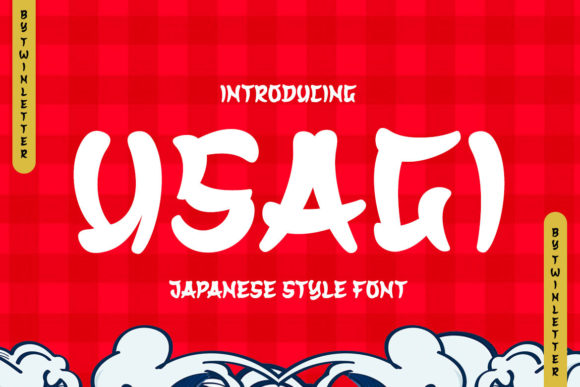
The "Japanese style" mentioned in its creation process is not just a superficial theme but is embedded in the stroke dynamics. The thick downstrokes contrast sharply with the thin upstrokes, mimicking the pressure applied by a brush or pen. This characteristic gives the text a sense of movement and energy that static sans-serif or serif fonts often lack. For designers working on branding or poster design, this kinetic quality can transform a static image into a dynamic experience. It suggests craftsmanship and attention to detail, qualities that modern audiences increasingly value.
Visual Impact and Graphic Appeal
One of the primary strengths of Usagi is its ability to command attention. In a grid of standard typography, a headline set in this display font acts as a visual anchor. The striking and unusual graphic nature of the letters makes them instantly recognizable. This is particularly effective for:
- Logotypes: The unique character of the handwriting provides a custom look that avoids the generic feel of stock fonts.
- Food Banners: The organic strokes evoke the warmth of handmade dishes, enhancing the appetite appeal of culinary brands.
- Posters and Movie Titles: The dramatic flair suits genres ranging from action to drama, setting a specific tone before a single word of dialogue is read.
However, this strength comes with a caveat. Because the font is so expressive, it demands respect in terms of hierarchy and spacing. It is not designed for body copy or long-form reading. Its power lies in its role as a display element—something to be seen briefly and remembered vividly.
Practical Applications Across Industries
The versatility of Usagi extends well beyond niche artistic projects. While its Japanese heritage is a defining feature, its underlying structure supports a wide range of creative endeavors. Professionals in marketing, education, and publishing can leverage its unique properties to break through visual noise.
Branding and Identity Systems
For small business owners and entrepreneurs, establishing a strong brand identity is paramount. Using Usagi in branding materials can signal a commitment to quality and a connection to artisanal traditions. Imagine a boutique coffee shop using this font for its menu boards and signage; the handwritten quality suggests a focus on the craft of brewing rather than mass production. Similarly, for a wellness studio or a yoga center, the flowing lines of the typeface convey a sense of balance and mindfulness that aligns perfectly with the brand ethos.
Publishing and Editorial Design
In the realm of publishing, whether for physical brochures or digital book covers, typography sets the emotional stage. Usagi excels in book titles and quote graphics where the text needs to act as an illustration. The font's ability to carry a narrative weight makes it ideal for book covers dealing with history, culture, or personal journeys. When used for quotes, the emphasis provided by the heavy strokes ensures that key messages are not lost in the layout.
However, the effectiveness of Usagi in these contexts depends heavily on the surrounding design elements. It pairs best with clean, minimalist backgrounds that allow the intricate details of the letterforms to breathe. Cluttered layouts can obscure the font's beauty, reducing its impact to mere decoration rather than a cohesive design component.
Evaluating Quality and Usability
From a technical standpoint, the usability of any font is determined by its reliability and flexibility. Usagi demonstrates a high level of quality control. The consistent stroke widths and kerning adjustments ensure that the text remains readable even at smaller sizes, provided it is used appropriately as a display element. The digitization process appears to have preserved the soul of the original handwriting without introducing the jagged edges or alignment issues common in poorly converted scripts.
Designers should consider the following factors when integrating Usagi into their workflow:
- Ligatures and Alternates: Check if the font includes stylistic alternates. These features allow for further customization, ensuring that repeated letters do not look identical, which adds to the handcrafted illusion.
- Scalability: Test the font at various resolutions. While display fonts are optimized for large sizes, verifying legibility at mid-range sizes (e.g., subheadings) is crucial for responsive web design.
- Contrast Management: Due to the high contrast between thick and thin strokes, ensure sufficient background contrast to maintain readability, especially on mobile devices.
The font's reliability makes it a safe investment for long-term projects. Unlike trends that may fade quickly, the fundamental appeal of a well-executed handwritten style tends to remain relevant. By choosing Usagi, designers are investing in a timeless aesthetic that communicates effort and care.
Audience Fit and Strategic Considerations
Who benefits most from utilizing Usagi? The answer lies in understanding the target audience of the project. If the goal is to reach a demographic that appreciates authenticity, culture, and craftsmanship, this font is an excellent asset. It resonates particularly well with adults aged 20–50 who are discerning consumers of design and media. This group is less likely to be swayed by flashy, low-effort graphics and more likely to respond to the subtleties of a genuine handwritten texture.
Freelancers and agencies looking to differentiate their portfolios will find Usagi useful for creating standout proposals and case studies. Educators and publishers can use it to highlight important concepts or chapter headings, adding a layer of engagement to educational materials. However, it is essential to recognize that this font is not a universal solution. It requires a thoughtful application strategy.
Potential Limitations
No design asset is without limitations. The primary constraint of Usagi is its specificity. It is not suitable for formal corporate documents, legal contracts, or technical manuals where neutrality and clarity are paramount. Overusing the font in a project can lead to visual fatigue, diminishing its impact. Furthermore, the Japanese thematic elements may not align with every brand identity; forcing a cultural aesthetic onto unrelated topics can feel disingenuous.
To mitigate these risks, designers should treat Usagi as a powerful accent rather than a foundational element. Pairing it with a neutral, functional sans-serif for body text creates a harmonious balance. This combination leverages the emotional appeal of Usagi while maintaining the readability necessary for effective communication.
Conclusion: Integrating Style with Substance
Ultimately, Usagi represents more than just a collection of glyphs; it is a tool for storytelling. By leveraging its original handwriting origins and Japanese-inspired design, creators can produce work that feels both modern and rooted in tradition. The font's ability to generate stunning, appealing results stems from its capacity to connect with viewers on an emotional level through its unique graphic presence.
For professionals willing to experiment with typographic expression, Usagi offers a pathway to outstanding design outcomes. Whether crafting a brochure, designing a movie title, or building a brand identity, the strategic use of this typeface can elevate a project from ordinary to exceptional. As with any design decision, the key lies in understanding the context and applying the font with intention. When utilized correctly, Usagi ensures that your work stands out, capturing the viewer's gaze and leaving a lasting impression.