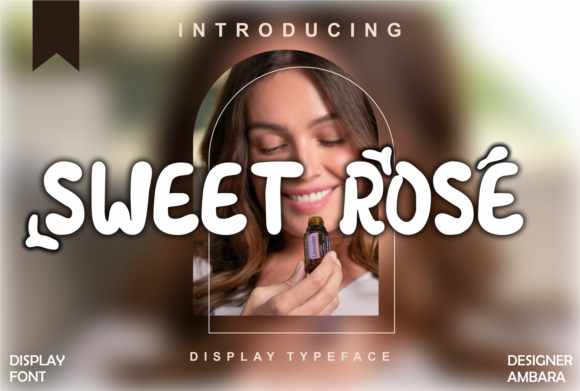
Sweet Rose: A Playful Display Font for Creative Projects
In the world of visual communication, typography is rarely just about readability. It is about personality, tone, and the immediate emotional connection a viewer feels with a design. For creators who need to convey warmth, approachability, and a touch of whimsy, finding the right typeface can be the difference between a project that feels professional and one that feels alive. This is where Sweet Rose steps in as a compelling option. Described as a cute and smart-looking display font, it strikes a delicate balance between playful charm and refined structure, making it an excellent tool for specific creative endeavors.
While many fonts lean heavily into either strict professionalism or chaotic creativity, Sweet Rose occupies a unique middle ground. It embodies playfulness without sacrificing legibility, and it suggests authenticity rather than artificial polish. Whether you are designing merchandise, planning a classroom activity, or crafting a personal brand identity, understanding how to leverage this specific aesthetic can significantly enhance your final output.
Understanding the Aesthetic of Sweet Rose
To use any font effectively, one must first understand its character. Sweet Rose is not designed for long-form body text; it is a display font. This means its primary purpose is to grab attention at larger sizes. Its "cute" descriptor often refers to rounded terminals, soft curves, and perhaps a slight irregularity that mimics hand-lettering or organic shapes. However, the "smart" aspect implies that these features are controlled and deliberate, avoiding the messiness that can make other playful fonts difficult to read.
This duality is crucial for designers and hobbyists alike. When you choose Sweet Rose, you are choosing a voice that says, "I am friendly, but I am also competent." It avoids the overly childish look of some cartoonish typefaces while still retaining enough personality to stand out in a crowded market. For educators and parents, this distinction is vital. You want materials that engage children but do not talk down to them. Sweet Rose achieves this by being inviting without being infantile.
The Power of Authenticity in Design
Modern consumers and audiences are increasingly sensitive to authenticity. In an era of AI-generated content and sterile corporate templates, there is a growing desire for designs that feel human-made. Sweet Rose contributes to this feeling through its subtle imperfections and warm presence. When applied to physical products like t-shirts or tote bags, the font adds a layer of tactile appeal even before the fabric is touched. It suggests that the product was made with care, which resonates deeply with small business owners and independent creators.
For entrepreneurs selling handmade goods or custom apparel, using a font like Sweet Rose signals quality and thoughtfulness. It tells the customer that the creator paid attention to detail. This is particularly effective for brands targeting families, nurseries, or lifestyle segments where comfort and joy are central themes. The font acts as a visual shorthand for these values, reducing the need for excessive explanatory copy.
Practical Applications for Merchandise and Apparel
One of the most common and effective uses for Sweet Rose is in product design. Because it is a display font, it works exceptionally well on items where the text is the focal point. Let us explore how this translates to real-world scenarios.
- T-Shirt Designs: When printing on garments, contrast and clarity are key. Sweet Rose’s bold yet soft lines render well on various fabrics, from cotton tees to hoodies. It works beautifully for slogans related to self-care, family bonding, or lighthearted humor. Unlike harsh sans-serifs that can feel cold on casual wear, Sweet Rose adds a cozy, approachable vibe that encourages people to wear the message.
- Bags and Totes: Eco-friendly tote bags have become canvases for personal expression. A design featuring Sweet Rose can transform a simple canvas bag into a statement piece. The font’s elegance prevents the design from looking too juvenile, making it appealing to adults who appreciate cute aesthetics but want to maintain a sophisticated edge. This broadens your potential customer base beyond just children’s markets.
- Stickers and Labels: For small businesses selling candles, soaps, or baked goods, packaging is everything. Sweet Rose provides a memorable brand identity on labels. Its distinctive shape helps your product stand out on a shelf next to competitors using more generic typefaces. It suggests a boutique, artisanal quality that justifies a premium price point.
Educational and Community Projects
Beyond commerce, Sweet Rose shines in educational settings. Teachers, homeschooling parents, and community organizers often struggle to create materials that are both engaging and organized. Traditional academic fonts can sometimes feel dry or intimidating to younger students. Conversely, overly decorative fonts can distract from the learning material.
Sweet Rose offers a solution by bridging this gap. It is perfect for worksheets, certificates, bulletin boards, and event flyers. When a child sees their name printed in a font that feels friendly and encouraging, it creates a positive association with the task. For school projects, this font can help students present their work with confidence. It looks intentional and polished, elevating a simple poster into a professional presentation.
Furthermore, for children’s activities such as craft kits or party invitations, the font sets the tone immediately. It promises fun and creativity. Parents are more likely to purchase or participate in activities that look welcoming and safe. Sweet Rose communicates that safety and fun, acting as a subtle trust signal for caregivers.
Strategic Considerations for Implementation
While Sweet Rose is a versatile choice, it is important to use it strategically to maximize its impact. Here are several guidelines to ensure your designs remain effective.
- Pairing with Complementary Fonts: Since Sweet Rose is a display font, it should not be used for long paragraphs of text. Pair it with a clean, neutral sans-serif or serif for body copy. This creates a hierarchy where Sweet Rose grabs attention for headlines, while the secondary font ensures readability for details. This combination maintains the playful vibe while keeping the information accessible.
- Color Psychology: The effectiveness of Sweet Rose is amplified when paired with appropriate colors. Soft pastels, warm earth tones, or vibrant primaries can enhance its cheerful nature. Avoid dark, somber backgrounds unless you are aiming for high contrast; instead, opt for light backgrounds that allow the font’s curves to breathe. The color palette should reinforce the authenticity and warmth the font provides.
- Spacing and Layout: Display fonts often require more breathing room. Do not cram Sweet Rose text together. Use generous kerning and leading (line spacing) to let each letter form stand out. This prevents the design from looking cluttered and preserves the "smart" and clean aesthetic that defines the font.
Who Benefits Most from Using Sweet Rose?
Identifying the right audience for this tool helps in allocating resources and time. Small business owners in the lifestyle sector will find Sweet Rose invaluable for building a cohesive brand voice. Freelance graphic designers can offer clients a specialized aesthetic that differentiates them from competitors using standard libraries. Educators and content creators focused on early childhood development can rely on it to create age-appropriate, engaging materials without needing advanced design skills.
Even hobbyists benefit. For those creating scrapbooks, greeting cards, or personal journals, Sweet Rose adds a personal touch that feels curated. It allows non-designers to achieve a professional look quickly. By choosing a font that does much of the heavy lifting regarding tone, users can focus more on their core message and less on complex typographic rules.
Potential Limitations and Fit
No single font is a universal solution. Sweet Rose may not be suitable for industries requiring strict seriousness, such as legal firms, financial institutions, or technical manuals. In these contexts, its playfulness might undermine credibility. Additionally, because it is a display font, it loses its impact if scaled down too small. Always preview your design at the actual size it will be used to ensure legibility.
It is also worth noting that trends in typography shift. While Sweet Rose currently fits the demand for authentic, warm branding, staying updated with broader design trends ensures your materials remain relevant. Regularly reviewing your design choices against current best practices will help you determine if Sweet Rose remains the best fit for your evolving needs.
Conclusion
Sweet Rose is more than just a typeface; it is a strategic asset for anyone looking to inject warmth and personality into their visual communications. Its ability to balance cuteness with intelligence makes it uniquely suited for merchandise, educational materials, and community projects. By understanding its strengths and applying it with thoughtful pairing and layout strategies, creators can produce work that not only looks good but also connects emotionally with their audience. Whether you are launching a new clothing line or organizing a school event, Sweet Rose offers a reliable, charming foundation for your design journey.