Hamiba: Elevating Visual Storytelling with Japanese-Inspired Typography
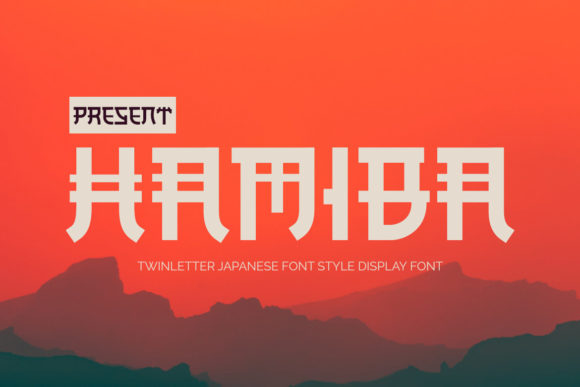
In the crowded landscape of digital and print media, capturing attention within the first few seconds is no longer a luxury—it is a necessity. For designers, marketers, and content creators, the choice of typography often dictates whether a message is ignored or remembered. Enter Hamiba, a display font that draws deeply from the aesthetic principles of Japanese calligraphy while offering a modern twist suitable for contemporary design challenges. This is not just another decorative typeface; it is a tool designed to infuse projects with character, elegance, and cultural resonance.
Hamiba stands out because it bridges the gap between traditional artistic expression and functional design. Its strokes mimic the fluidity of brushwork, yet they are structured enough to remain legible across various mediums. Whether you are designing a high-end restaurant menu, a promotional poster for a local event, or a digital flyer for a social media campaign, Hamiba provides a visual anchor that feels both authentic and sophisticated. Understanding how to leverage this unique font can transform ordinary layouts into compelling visual narratives.
The Aesthetic Appeal of Japanese-Inspired Design
Japanese typography has long been admired for its balance of minimalism and expressive power. The concept of wabi-sabi, which finds beauty in imperfection and transience, often translates well into visual design through organic shapes and natural flow. Hamiba captures this essence without becoming overly ornate or difficult to read. The font’s distinct personality comes from its variable stroke widths and the subtle irregularities that mimic hand-drawn lettering.
When you apply Hamiba to your designs, you are instantly invoking a sense of craftsmanship. It suggests that care was taken in the creation process, much like a chef carefully plating a dish or an artist finishing a painting. This psychological association is powerful. Consumers and viewers subconsciously associate these visual cues with quality and authenticity. In an era where mass-produced, generic templates dominate the internet, using a font like Hamiba signals that your brand or project values individuality and attention to detail.
Real-World Applications Across Industries
The versatility of Hamiba lies in its ability to adapt to different contexts while maintaining its core identity. Here is how various professionals can integrate this font into their workflows for maximum impact.
Food and Beverage Industry
Perhaps the most intuitive application for Hamiba is in the culinary sector. Food menus, especially those featuring Asian cuisine, benefit immensely from typography that reflects the origin of the food. However, even Western restaurants looking to evoke a sense of zen, freshness, or artisanal quality can find value here.
- Menu Headers: Use Hamiba for section titles like "Appetizers" or "Signature Dishes." The bold, expressive nature of the font draws the eye immediately, guiding customers through the menu structure.
- Daily Specials: Highlighting today’s specials with Hamiba adds a touch of exclusivity and urgency, making the offer feel more curated than standard.
- Table Tents and Coasters: On small print items, the font’s clarity ensures readability even at a glance, reinforcing brand recognition every time a customer sits down.
Event Marketing and Print Media
For event organizers, flyers, and posters, the goal is to communicate energy and information quickly. Hamiba serves as an excellent headline font that commands attention without shouting. Its Japanese-inspired roots work particularly well for events related to culture, art, wellness, or lifestyle.
- Festival Posters: Imagine a summer music festival or a local art walk. Using Hamiba for the main title creates an immediate mood board effect, suggesting creativity and vibrancy.
- Workshop Flyers: For yoga studios, calligraphy classes, or tea ceremonies, the font aligns perfectly with the activity, reducing the cognitive load for the viewer who is trying to understand the event's vibe.
- Invitation Cards: Personalized invitations for weddings or private parties can use Hamiba for names or dates, adding a layer of sophistication that standard serif or sans-serif fonts might lack.
Digital Content and Blogging
While web design often prioritizes speed and simplicity, there is a growing trend toward immersive storytelling online. Bloggers, influencers, and digital publishers can use Hamiba strategically to break up text and create visual interest.
Using Hamiba sparingly for pull quotes, section dividers, or featured post titles can enhance the user experience. It acts as a visual pause, allowing readers to digest information before moving on. For example, a travel blogger writing about Kyoto could use Hamiba for location headers, instantly transporting the reader to the setting. Similarly, educators creating course materials or e-books can use it to highlight key concepts, making learning materials feel more engaging and less dry.
Strategic Considerations for Implementation
While Hamiba is a powerful asset, it requires thoughtful application to ensure it enhances rather than detracts from your message. Display fonts are meant to be seen, not read extensively. Therefore, the key to success lies in contrast and hierarchy.
Balancing Readability and Style
One common mistake is overusing decorative fonts. If every line of text is in Hamiba, the design becomes chaotic and exhausting to read. Instead, treat Hamiba as an accent. Pair it with clean, neutral sans-serif or simple serif fonts for body text. This combination allows the unique characteristics of Hamiba to shine in headlines while ensuring that the detailed information remains accessible. For instance, a restaurant menu might use Hamiba for the dish names but a highly readable font for the ingredients and prices.
Contextual Relevance
Before downloading or purchasing Hamiba, consider the context of your project. Does the font align with the tone you wish to convey? If you are designing a corporate annual report or a technical manual, Hamiba may feel too informal or thematic. It is best suited for projects that benefit from warmth, creativity, or cultural specificity. Always ask yourself: "Does this font support my message, or does it distract from it?"
Licensing and Usage Rights
As with any premium font, understanding the licensing terms is crucial. Different usage scenarios—such as personal projects, commercial products, or broadcast media—may require different licenses. Ensure you have the appropriate rights before using Hamiba in client work or large-scale print runs. This protects both you and the designer who created the typeface, fostering a respectful creative ecosystem.
Conclusion: Unlocking Creative Potential
Hamiba is more than just a collection of characters; it is a stylistic choice that communicates values of craftsmanship, culture, and care. By integrating this Japanese-inspired display font into your designs, you add a layer of depth that resonates with audiences on an emotional level. Whether you are a small business owner launching a new café, a marketer crafting a campaign, or a hobbyist designing a birthday card, Hamiba offers endless possibilities for expression.
The true power of typography lies not in its complexity, but in its ability to set the stage for your story. With Hamiba, you have a versatile partner that can elevate your visuals from mundane to memorable. Explore its capabilities, experiment with pairing it with complementary fonts, and watch as your designs gain the attention and respect they deserve. In a world full of noise, let Hamiba help your voice stand out with clarity and style.