Gentala Font Evaluation
In the landscape of digital typography, selecting the right typeface is rarely a matter of mere preference; it is a strategic decision that influences brand perception, readability, and visual hierarchy. Among the myriad of display fonts available to designers, Gentala has emerged as a distinctive option characterized by its cool, bold, and vintage aesthetic. This evaluation explores the specific attributes of Gentala, analyzing its suitability for posters, labels, and branding projects. By examining its stylistic roots, practical applications, and potential limitations, this article aims to help designers and creative directors determine whether Gentala aligns with their project goals.
Understanding the Aesthetic Profile of Gentala
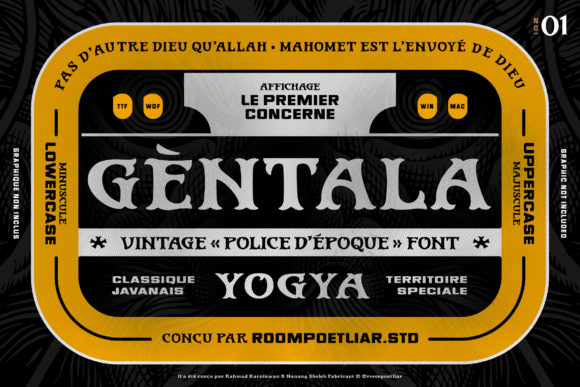
To evaluate Gentala effectively, one must first deconstruct its visual language. The font is described as having a "cool, bold, and vintage" style. In typographic terms, this combination suggests a few key characteristics:
- Bold Weight: The heavy stroke weight implies strength and presence. It is designed to be seen from a distance, making it inherently suited for large-format applications such as billboards, event posters, or packaging labels where immediate visual impact is required.
- Vintage Styling: The vintage aspect likely references mid-20th-century design trends, possibly incorporating elements of Art Deco, Retro, or Western serif styles. This evokes a sense of nostalgia, authenticity, and timelessness. It avoids the sterile minimalism of modern sans-serifs in favor of character and history.
- Cool Tone: The descriptor "cool" suggests a detached, sophisticated, or perhaps slightly edgy attitude. Unlike warm, handwritten scripts that feel personal and approachable, a "cool" vintage font maintains a certain level of professional distance while still being visually engaging.
This triad of attributes creates a unique niche. Gentala is not a utility font meant for body text; it is a display font intended to serve as a headline or a primary visual element. Its purpose is to arrest attention and convey a specific mood before the viewer even reads the accompanying message.
Primary Use Cases and Applications
The versatility of Gentala lies in its ability to anchor designs across various media. Because it is explicitly noted for looking stunning on posters, labels, and branding, let us examine these areas in detail.
Poster Design and Event Marketing
For event posters, particularly those promoting music festivals, retro-themed parties, or artisanal markets, Gentala offers an immediate thematic cue. The bold nature ensures legibility from afar, while the vintage styling sets the cultural context. For example, a jazz club concert poster could utilize Gentala to evoke the smoky, sophisticated atmosphere of the 1950s without relying on cliché imagery. The font itself becomes part of the narrative.
Product Labeling and Packaging
In the realm of consumer goods, labels are critical touchpoints. Brands selling craft beverages, organic skincare, or specialty foods often seek to communicate heritage and quality. Gentala’s vintage profile can suggest tradition and handcrafted care. When applied to a beer label or a coffee bag, it differentiates the product from competitors using generic modern fonts. It signals that the product has depth and story, appealing to consumers who value authenticity over mass-market efficiency.
Brand Identity Systems
While Gentala is primarily a display font, it can play a significant role in broader branding efforts. It might serve as the logo typeface for a boutique hotel, a vinyl record store, or a fashion label targeting a mature, style-conscious demographic. In these contexts, the font helps establish a brand voice that is confident, established, and visually striking. However, its use should be limited to logotypes and headers to maintain clarity within the larger identity system.
Evaluating Benefits and Tradeoffs
No single typeface is a universal solution. Understanding the tradeoffs associated with Gentala is crucial for making an informed decision.
The Benefits
The primary benefit of Gentala is its strong personality. In a crowded digital and physical marketplace, standing out is essential. Gentala provides instant recognition and emotional resonance. Its boldness reduces the need for additional graphical elements to create impact, allowing for cleaner, more focused designs. Furthermore, its vintage appeal taps into current design trends that favor nostalgia and tactile experiences, making it highly relevant for contemporary marketing strategies.
The Tradeoffs
The most significant limitation of Gentala is its lack of versatility. It is ill-suited for long-form body text. Attempting to set paragraphs in a bold, stylized display font leads to reader fatigue and poor accessibility. Additionally, the "vintage" style may date a design if not executed with care. If the surrounding graphics or photography clash with the font’s era-specific vibe, the result can appear disjointed rather than cohesive. There is also the risk of appearing overly trendy if the vintage reference is too narrow or clichéd.
Situational Fit: When to Choose Gentala
Gentala is a strong fit when the following conditions are met:
- Visual Hierarchy is Key: The project relies on a strong headline to draw the eye, with supporting text handled by a neutral, highly readable secondary font.
- Nostalgia is Desired: The brand or event wants to evoke feelings of the past, authenticity, or classic elegance.
- Short Text Length: The text content is limited to titles, slogans, or short phrases.
- Bold Presence Needed: The design requires a typeface that commands space and authority.
Conversely, alternatives may be worth considering in other scenarios. If the goal is to communicate innovation, technology, or speed, a clean sans-serif would be more appropriate. If the tone needs to be friendly, approachable, or informal, a rounded or handwritten font might work better. For projects requiring extensive reading, such as brochures or website body copy, a dedicated serif or sans-serif body font is necessary, with Gentala reserved only for occasional accents.
Practical Decision-Making Insights
When evaluating Gentala for a specific project, designers should consider the following practical steps:
First, test the font at scale. Display fonts often look different in small sizes compared to large formats. Ensure that the details of the vintage styling remain crisp and do not muddy together when printed on labels or displayed on mobile screens.
Second, pair it strategically. Since Gentala is a statement font, it should be paired with a simple, understated companion typeface. A clean geometric sans-serif can provide a modern contrast to the vintage boldness of Gentala, creating a balanced composition that feels both retro and contemporary.
Third, consider the target audience. Does the demographic resonate with vintage aesthetics? For older audiences, it may signal trust and quality. For younger demographics, it may signal irony or curated style. Understanding this reception is vital for effective communication.
Conclusion
Gentala is a specialized tool in the designer’s arsenal. It is not a general-purpose font but a powerful display typeface capable of injecting character, history, and boldness into visual communications. Its strengths lie in its ability to command attention on posters, labels, and branding materials through its cool, vintage-inspired design. However, its effectiveness depends entirely on proper application. By recognizing its limitations regarding body text and ensuring it aligns with the desired brand tone, designers can leverage Gentala to create compelling, memorable visuals that stand out in a saturated market. For projects seeking to blend nostalgia with modern boldness, Gentala offers a robust and stylish solution.