Evaluating Zerohi for Game Industry Typography
In the competitive landscape of digital entertainment, visual identity plays a pivotal role in capturing audience attention. Among the various typographic tools available to designers, Zerohi has emerged as a specialized typeface designed specifically for the gaming sector. This font is characterized by its dynamic aesthetic and structural boldness, making it a frequent subject of inquiry for professionals seeking distinctive display solutions. The following analysis provides an objective evaluation of Zerohi, examining its design characteristics, practical applications, and strategic considerations for potential users.
Understanding the Design Characteristics of Zerohi
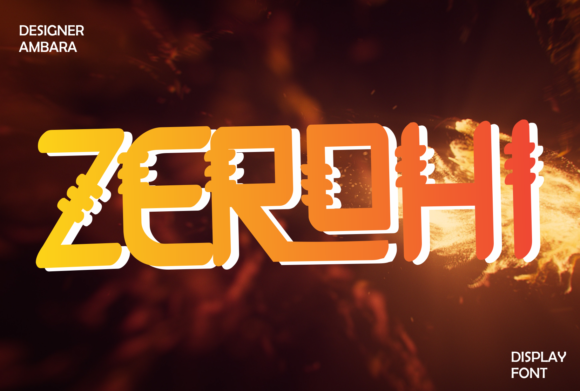
Zerohi is classified as a creative display font, a category distinct from standard body text or serif fonts used for long-form reading. Its primary function is to serve as a headline or title element where immediate visual impact is required. The typeface features exaggerated strokes, sharp angles, and a modernized geometric structure that conveys energy and movement. Unlike traditional gaming fonts that rely heavily on medieval or fantasy motifs, Zerohi leans towards a contemporary, high-tech, or cyberpunk aesthetic.
The design intent behind Zerohi is to communicate action and intensity without relying on imagery alone. The letterforms are constructed to be legible even at large sizes while maintaining a level of stylization that suggests a specific genre of entertainment. This makes it particularly suitable for projects where the typography must stand out against complex backgrounds or compete with vibrant artwork. The font's unique weight distribution and spacing contribute to a cohesive look that feels engineered rather than hand-drawn, aligning well with the precision often associated with video game development.
Strategic Applications in the Gaming Market
When evaluating Zerohi for a project, it is essential to consider the specific contexts where this typeface excels. The font is not a universal solution but rather a targeted tool for specific marketing and design challenges.
- Game Covers and Box Art: One of the primary use cases for Zerohi is on game packaging and digital storefront thumbnails. The bold nature of the letters ensures that the title remains readable even when scaled down to mobile screens. The aggressive styling helps convey the genre of the game, whether it is an action-adventure title, a shooter, or a sci-fi simulation.
- Action-Packed Posters: For event promotions, such as e-sports tournaments or convention booths, Zerohi offers the necessary visual punch to draw a crowd. Its ability to handle tight kerning and dramatic sizing allows designers to create layouts that feel urgent and exciting.
- Digital Marketing Materials: In the realm of social media and web banners, attention spans are short. Zerohi serves as an effective hook in ad creatives, helping to differentiate a brand from competitors using more generic sans-serif headers. It adds a layer of personality that signals to the viewer that the content is related to interactive entertainment.
- Social Media Assets: Modern platforms favor bold, graphic-heavy content. Zerohi integrates well with motion graphics and static posts alike, providing a consistent brand voice across Instagram, Twitter, and TikTok campaigns targeting gamers.
Benefits and Functional Advantages
Selecting a typeface involves weighing several factors, and Zerohi offers distinct advantages for those working within the gaming vertical. The most significant benefit is its thematic alignment. Because it was created specifically for the game market, it carries an inherent association with the industry. Using Zerohi can immediately signal to a consumer that a product belongs to this ecosystem, reducing the cognitive load required to understand the context of the design.
Furthermore, the font supports a wide range of weights and styles, allowing for hierarchical differentiation within a single layout. Designers can utilize lighter variants for subheadings while reserving the boldest weights for main titles. This versatility reduces the need to source multiple fonts to achieve a complete visual system. Additionally, the clean lines of Zerohi ensure good rendering performance on digital displays, which is crucial for web-based assets where pixel clarity directly impacts user experience.
Tradeoffs and Practical Considerations
While Zerohi offers compelling benefits, it is not without limitations. As a display font, it is generally unsuitable for body copy or long paragraphs of text. Attempting to use it for extended reading material will result in poor legibility and reader fatigue. Users must plan their typographic hierarchy carefully to ensure that Zerohi is paired with a complementary, highly readable body font.
Another consideration is the risk of overuse. Because Zerohi is visually striking, it can quickly become overwhelming if applied too frequently or in combination with other loud design elements. Designers must exercise restraint to maintain a balanced composition. Furthermore, the stylistic specificity of the font means it may clash with certain game genres. A cozy farming simulator or a narrative-driven walking simulator might find Zerohi's aggressive aesthetic incongruent with the tone of the experience.
Comparative Analysis: When to Choose Alternatives
Deciding whether to use Zerohi requires comparing it against other options in the market. If a project requires a retro, 8-bit, or pixelated aesthetic, a dedicated pixel font would be a more appropriate choice than Zerohi. Similarly, for games rooted in historical fantasy settings, a blackletter or ornate serif typeface might better capture the intended atmosphere.
For brands seeking a minimalist approach, a neutral grotesque sans-serif might provide the necessary understatement that Zerohi cannot offer. If the goal is to establish a sense of elegance or luxury, Zerohi's industrial and energetic vibe may work against the desired perception. In these scenarios, alternatives that prioritize subtlety and timelessness should be considered over a font designed for high-octane impact.
Decision-Making Insights for Designers
To determine if Zerohi aligns with your specific goals, start by defining the core message of your project. Ask whether the design needs to scream "action" or whisper "story." If the former, Zerohi is a strong candidate. Evaluate the target audience; does the demographic respond to modern, edgy visuals? If so, the font's contemporary styling will likely resonate.
It is also advisable to test the font in situ before finalizing any designs. Place Zerohi over actual game art or mockups to see how it interacts with the surrounding imagery. Check its legibility at various sizes, particularly on smaller mobile devices where details can get lost. Finally, consider the longevity of the design. While Zerohi is trendy, assess whether it fits the long-term brand identity you wish to build or if it is too niche for future expansion.
In conclusion, Zerohi represents a specialized solution for the gaming industry. It excels in environments requiring high visibility and a clear statement of genre. By understanding its strengths and acknowledging its limitations, designers can make informed decisions that enhance their visual communication. Whether used for a new game launch or a marketing campaign, Zerohi provides a robust foundation for creating impactful, industry-relevant typography.