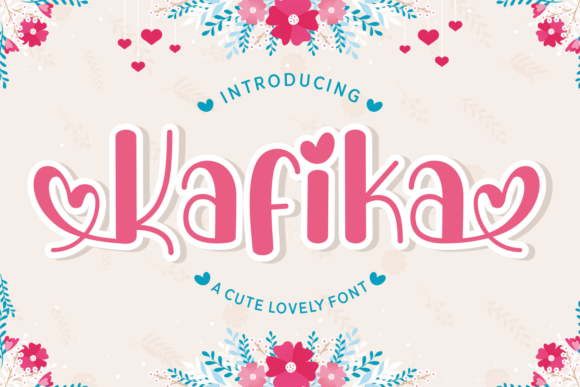
Kafika: Strategic Typography for Playful Brand Positioning
In the landscape of visual communication, typography is rarely just about readability; it is a primary driver of emotional resonance and brand identity. For professionals seeking to inject personality into their designs without sacrificing clarity, Kafika emerges as a compelling tool. It is not merely a decorative typeface but a strategic asset designed for contexts that require a playful, romantic, and joyful touch. Whether you are a small business owner crafting a wedding invitation suite, a marketer designing a social media campaign for a lifestyle brand, or an educator creating engaging learning materials, understanding how to deploy Kafika intentionally can significantly enhance your creative output.
This article explores the practical applications of Kafika, moving beyond aesthetic appreciation to discuss how thoughtful font selection supports broader goals in branding, customer experience, and operational efficiency. By examining its technical features and strategic use cases, we aim to provide decision-makers with the guidance needed to leverage this PUA-encoded font effectively.
The Strategic Value of Personality in Design
Before diving into the specifics of Kafika, it is essential to recognize why "playful" matters in professional design. In an era where digital attention spans are short and competition for consumer trust is fierce, brands must differentiate themselves through tone. A rigid, corporate sans-serif might convey authority, but it often fails to evoke warmth or joy. Conversely, a display font like Kafika serves as a non-verbal cue that signals approachability, creativity, and human connection.
For entrepreneurs and freelancers, this distinction is critical. When you position your services or products with a tone that feels authentic and joyful, you lower the barrier to entry for potential customers. Kafika allows designers to communicate this sentiment instantly. However, strategic design requires more than just picking a "pretty" font. It demands an understanding of context. Using Kafika incorrectly—such as in dense blocks of legal text or high-stakes financial reports—can undermine credibility. The key lies in matching the font’s inherent joyfulness with the right communicative goal.
Understanding Kafika’s Technical Advantages
From a practical standpoint, Kafika offers several technical features that make it highly usable for both novice hobbyists and seasoned professionals. Its most significant advantage is its PUA (Private Use Area) encoding. This encoding method ensures that all glyphs, swashes, and alternate characters are accessible directly from the keyboard or character map without requiring complex plugin installations or third-party software.
- Accessibility: Because Kafika is PUA encoded, accessing special characters is seamless. This reduces friction in the design workflow, allowing creators to focus on composition rather than troubleshooting font compatibility issues.
- Versatility: The inclusion of swashes and varied glyphs means that a single word can be stylized in multiple ways. This flexibility is invaluable for logo design, headers, and promotional banners where uniqueness is paramount.
- Cross-Platform Consistency: Properly encoded fonts ensure that your design intent is preserved across different devices and operating systems, which is crucial for maintaining a consistent brand image.
For educators and bloggers, these technical benefits translate into time savings. When you can easily insert unique decorative elements without switching tools, you maintain momentum in your content creation process. This efficiency contributes to better productivity, allowing you to allocate more time to strategy and audience engagement rather than technical execution.
Strategic Use Cases for Kafika
To maximize the return on investment for your design efforts, consider integrating Kafika into specific areas where emotional impact drives action. Below are practical scenarios where this font excels.
Brand Identity and Logo Design
For small businesses and startups, the logo is often the first point of contact with a customer. If your brand values include community, fun, or romance (think bakeries, florists, boutique hotels, or children’s brands), Kafika can serve as a foundational element of your visual identity. Its romantic and joyful characteristics help establish an immediate emotional bond. However, when using Kafika for logos, simplicity is key. Avoid overcrowding the design with too many swashes. Let the core letterforms speak while using the decorative elements sparingly to highlight key letters or words.
Marketing Materials and Social Media
In the fast-paced world of social media, static images and graphics must grab attention within seconds. Kafika’s playful nature makes it ideal for headlines, quotes, and promotional announcements. For marketers, this means higher engagement rates when the visual tone matches the message. Imagine a weekend sale announcement for a lifestyle brand; using Kafika for the headline creates a sense of excitement and urgency that feels celebratory rather than aggressive. Pair it with clean, minimalist body text to ensure readability while maintaining the festive atmosphere.
Event Planning and Invitations
Weddings, birthdays, and corporate retreats are events centered around human connection. Kafika’s romantic undertones make it a natural fit for invitations, save-the-dates, and signage. For event planners and hobbyists, this font reduces the need for additional graphical embellishments. The inherent elegance and playfulness of the typeface can carry the design, allowing for a cleaner, more sophisticated look. Consider using Kafika for names and dates, while reserving simpler fonts for logistical details like times and locations.
Educational Content and Presentations
Education does not have to be dry. Educators and trainers can use Kafika to break up monotony in presentations, worksheets, or digital courses. When introducing new concepts or celebrating student achievements, a touch of joy can reinforce positive reinforcement. For example, using Kafika for section headers in a training module can signal a shift in topic and re-engage the learner’s attention. The font’s accessibility features mean that even those less familiar with design software can incorporate it easily into PowerPoint or Google Slides templates.
Risks and Considerations in Font Selection
While Kafika is a powerful tool, its misuse can lead to negative outcomes. The primary risk is overuse. Display fonts are designed to be seen, not read extensively. Using Kafika for long paragraphs of text will fatigue the reader and obscure your message. Always reserve Kafika for short phrases, titles, and accents. Additionally, consider the context of your audience. A highly playful font may not align with industries that prioritize seriousness and stability, such as law, healthcare, or finance. In these fields, misalignment between tone and content can erode trust.
Another consideration is legibility at small sizes. Due to its decorative nature, Kafika may lose detail when scaled down for mobile views or print thumbnails. Test your designs thoroughly across different mediums before finalizing them. Ensure that the contrast between the font and the background is sufficient to maintain readability. These practical checks are part of responsible design planning and help prevent costly revisions later.
Implementing Kafika Intentionally
To achieve better results, adopt a deliberate approach to incorporating Kafika into your projects. Start by defining the emotional goal of your design. Are you aiming to evoke nostalgia? Excitement? Romance? Once the goal is clear, select Kafika only if it aligns with that objective. Then, pair it strategically with complementary fonts. A neutral sans-serif or serif can balance Kafika’s exuberance, creating a harmonious hierarchy. This combination ensures that the playful elements stand out without overwhelming the viewer.
Furthermore, leverage the PUA-encoded swashes to add subtle variations. Instead of applying heavy decoration everywhere, use a single swash character to emphasize a keyword or initial. This restraint demonstrates sophistication and control, qualities that resonate well with professional audiences. By treating Kafika as a precise instrument rather than a blanket solution, you elevate the overall quality of your work.
Long-Term Impact on Creativity and Brand Growth
Consistent application of well-chosen typography builds brand recognition over time. When clients or students repeatedly encounter Kafika in contexts that feel joyful and authentic, they begin to associate the font with those positive feelings. This association strengthens your brand equity. Moreover, mastering the use of specialized fonts like Kafika enhances your skill set as a creator. It encourages experimentation and deeper understanding of typographic principles, leading to more confident decision-making in future projects.
For freelancers and agencies, offering a diverse range of typographic solutions can be a competitive advantage. Clients appreciate designers who understand the strategic implications of their choices. By recommending Kafika for appropriate projects, you demonstrate expertise and add value beyond mere aesthetics. This consultative approach fosters stronger client relationships and opens doors for long-term collaborations.
Conclusion
Kafika is more than just a fun, romantic display font; it is a strategic resource for enhancing communication and emotional engagement. Its PUA encoding ensures ease of use, while its distinctive style allows for impactful branding across various mediums. By understanding when and how to use Kafika, professionals can create designs that not only look beautiful but also support their broader goals of connection, clarity, and growth. Approach each project with intention, respect the boundaries of readability, and let the joyful spirit of Kafika elevate your creative vision.