Cookie Milk: The Playful Display Font for Food and Beverage Branding
In the crowded landscape of food and beverage marketing, visual appeal is often the first hook that captures a consumer’s attention. When you are designing for bakeries, cafes, or artisanal drink brands, your typography needs to do more than just convey information; it needs to evoke appetite, comfort, and joy. This is where Cookie Milk steps in as a versatile and engaging design asset. It is not merely a typeface; it is a stylistic statement designed specifically to bring warmth and personality to projects related to culinary arts.
Created with a playful yet polished aesthetic, Cookie Milk bridges the gap between professional branding and approachable charm. Whether you are a seasoned graphic designer crafting a logo or a small business owner labeling your latest batch of homemade jams, understanding how to leverage this font can significantly elevate your project’s impact. Let’s explore what makes this display font so effective and how you can integrate it into your creative workflow.
Understanding the Visual Personality of Cookie Milk
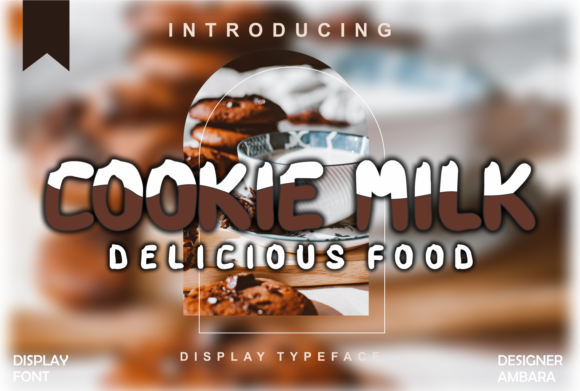
To appreciate the utility of any typeface, you must first understand its character. Cookie Milk is classified as a display font, meaning it is intended for large sizes rather than body text. Its design language draws heavily from the whimsical nature of treats themselves—soft, rounded, and inviting. Unlike rigid serif fonts that command authority or stark sans serif fonts that suggest minimalism, Cookie Milk feels handwritten without sacrificing legibility.
The letters have a distinct "bubbly" quality, reminiscent of dough rising or milk splashing gently. This organic flow gives the font a friendly demeanor that instantly lowers the barrier between the brand and the consumer. It avoids the overly chaotic look of true script fonts, which can be difficult to read at smaller sizes, while still maintaining a sense of handcrafted authenticity. For designers looking to add a touch of modern typography to traditional bakery branding, this balance is crucial. It suggests freshness and care, qualities that are paramount in the food industry.
The weight distribution in Cookie Milk is also worth noting. The strokes are generally uniform but feature subtle variations that mimic the natural imperfections of hand-lettering. This adds depth to the design, preventing it from looking flat or digitally sterile. When used correctly, these nuances create a tactile sensation on the page, making the viewer almost feel the texture of the cookie or the coolness of the milk. This sensory connection is powerful in packaging design, where shelf presence determines sales.
Ideal Applications Across Creative Industries
While its name suggests a specific niche, the applications of Cookie Milk extend far beyond simple dessert shops. Its versatility allows it to fit seamlessly into various sectors where warmth and creativity are valued. Here is a breakdown of where this font shines:
- Bakery and Café Branding: This is the most obvious application. Use it for menu boards, cup sleeves, and storefront signage. The font’s inherent sweetness complements products like cakes, pastries, and specialty coffees.
- Packaging Design: For jars of honey, bags of flour, or boxes of cookies, Cookie Milk provides a focal point that stands out against busy backgrounds. It works well alongside rustic textures like kraft paper or wood grain.
- Editorial Design: Recipe books and food magazines benefit from the readability and charm of this font. It serves as an excellent choice for chapter headers, pull quotes, and recipe titles, guiding the reader through the content with a gentle hand.
- Social Media Graphics: In the fast-scrolling world of Instagram and Pinterest, bold and cheerful typography grabs attention. Cookie Milk is perfect for quote cards, promotional posts, and event announcements for food festivals.
- Apparel and Merchandise: Designers creating aprons, t-shirts, or tote bags for cooking classes will find this font highly appealing. It translates well to embroidery and screen printing, maintaining its clarity even when scaled up or down.
Furthermore, entrepreneurs launching lifestyle brands often use Cookie Milk to signal a fun, accessible vibe. It pairs exceptionally well with pastel color palettes or vibrant primary colors, enhancing the overall mood of the brand identity. By choosing this commercial font, you are signaling that your product is made with heart, not just by a machine.
Evaluating Readability and Hierarchy
One common concern when using display fonts is legibility. Because Cookie Milk is designed for impact, it requires strategic placement. It should never be used for long paragraphs of text. Instead, reserve it for headlines, logos, and short phrases. To maintain a professional appearance, pair it with a clean, neutral typeface for body copy. A simple sans serif font or a classic serif font can provide the necessary contrast, allowing the eye to rest after processing the playful header.
This technique establishes a clear visual hierarchy. The eye is drawn to the distinctive shape of Cookie Milk first, then guided to the detailed information provided by the secondary font. This combination ensures that your message is both attractive and informative. In web design, this pairing enhances user experience by making navigation menus and call-to-action buttons stand out without overwhelming the visitor.
Practical Tips for Implementation
Before incorporating Cookie Milk into your next project, consider a few practical steps to ensure success. First, always review the included styles. Most premium fonts come with multiple weights or variants, such as bold, italic, or outlined versions. Experimenting with these variations can add dynamic interest to your layout. For instance, using the bold version for the main brand name and a lighter variant for the tagline creates a sophisticated balance.
Testing font pairings is another critical step. While Cookie Milk is strong on its own, it can sometimes compete with other decorative elements. If your design includes intricate illustrations or complex patterns, keep the text area relatively simple. Conversely, if your background is plain, you might use larger sizing or wider letter spacing to give the font room to breathe. White space is your friend here; it enhances the airy, light feeling of the typeface.
Finally, pay close attention to licensing. Since you may be using this for commercial purposes, whether it is for a client’s logo or your own product line, ensure you have the appropriate rights. Understanding the scope of a commercial font license protects your business and respects the creator’s work. Many designers prefer to invest in high-quality assets because they offer better support, regular updates, and guaranteed usage rights across various media.
By treating Cookie Milk as a strategic tool rather than just a decorative element, you can unlock its full potential. It offers a unique blend of fun and function that resonates with audiences seeking authenticity and delight. Whether you are revamping a restaurant’s menu or launching a new line of artisanal snacks, this font provides the perfect visual voice to tell your story. Embrace its playful nature, pair it wisely, and watch your designs come to life with renewed energy and charm.